


How to Choose a Vented Aluminum Honeycomb for a 120 × 120 mm Fan
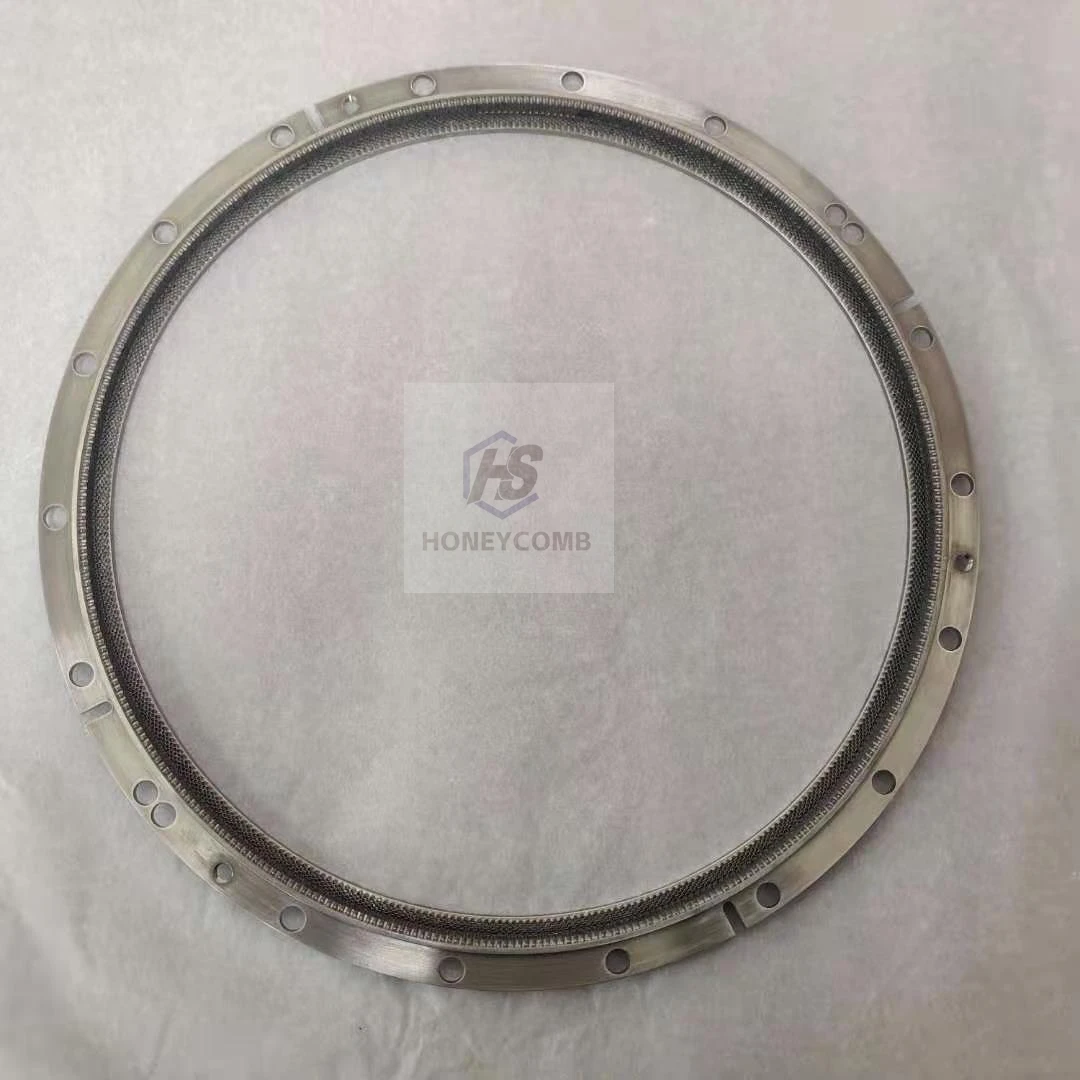
A vented aluminum honeycomb can combine equipment airflow with electromagnetic interference shielding. Our 120 × 120 mm fan vent uses an aluminum honeycomb structure, configurable cell sizes, foil thicknesses, surface treatments, frame shapes and gaskets. Check the fan opening, available depth, mounting frame and sealing needs before choosing the standard 160 × 160 × 29 mm format or requesting a customized configuration.

Confirm the 120 × 120 mm fan interface, the listed 160 × 160 × 29 mm vent envelope, panel clearance and available depth before selecting the standard format or requesting customization.
Choose the aluminum honeycomb construction by cell size, foil thickness, surface treatment, frame shape, joining method and gasket requirement, using the enclosure drawing to define the mounting interface.
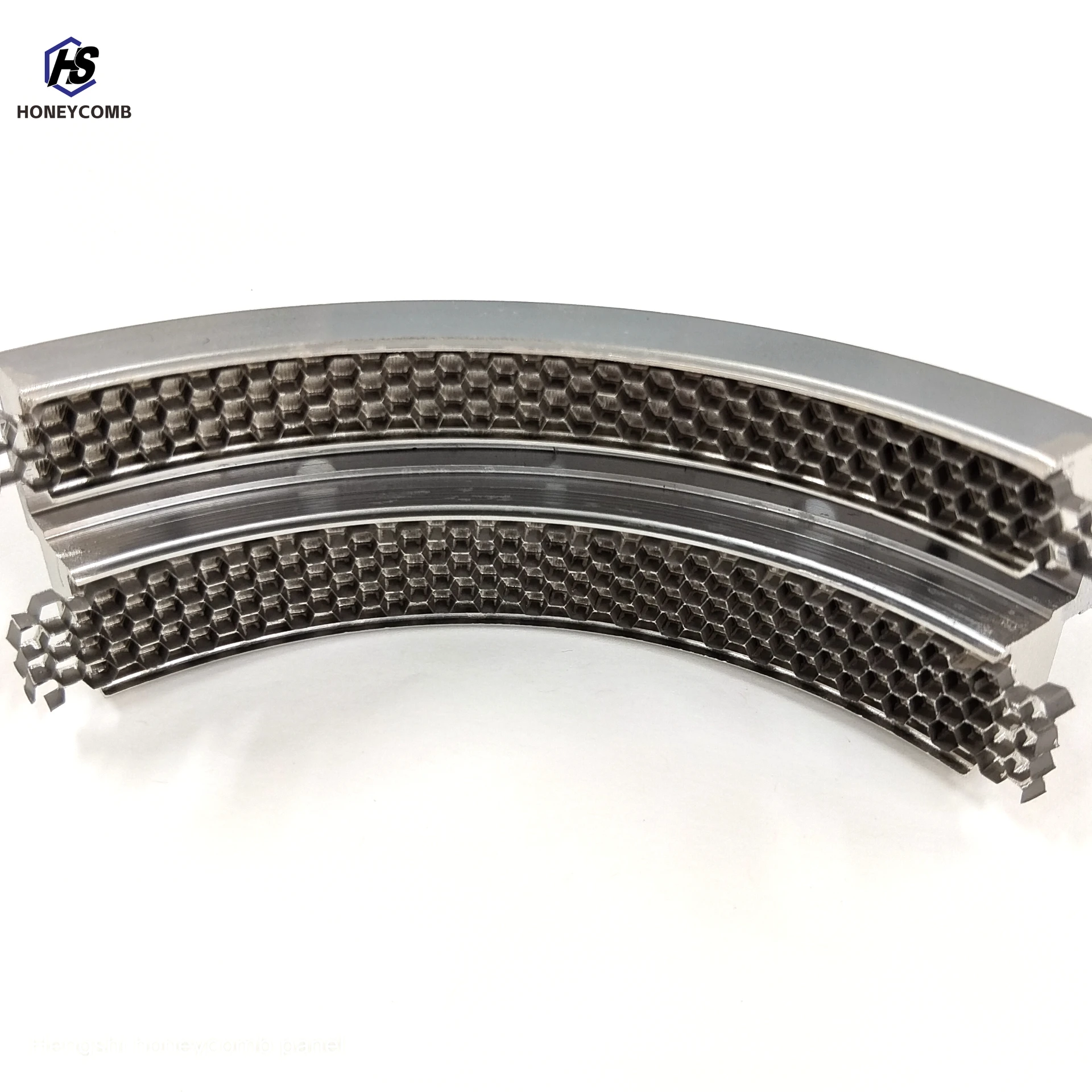
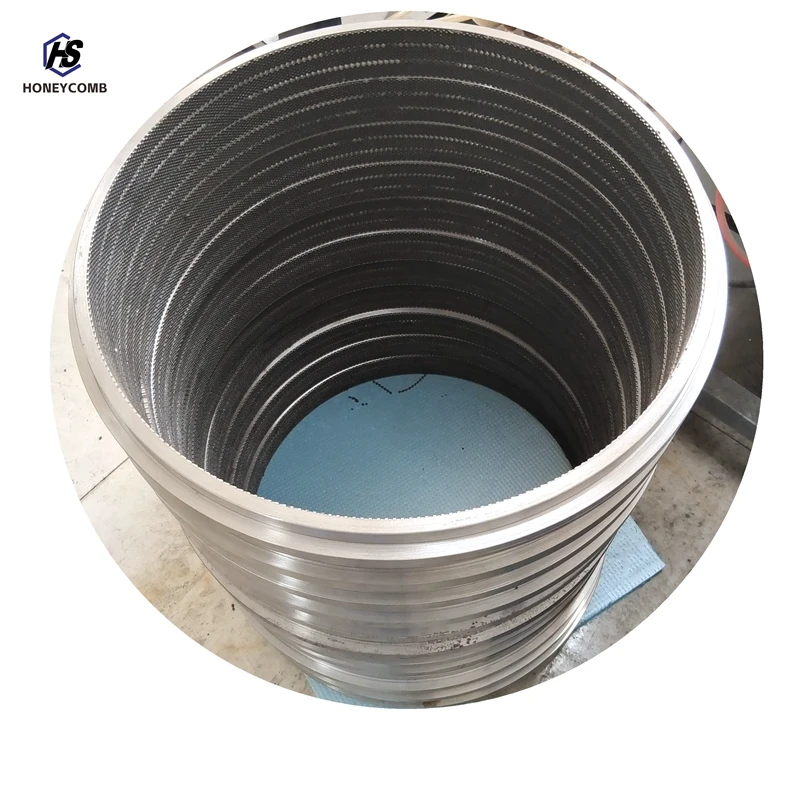
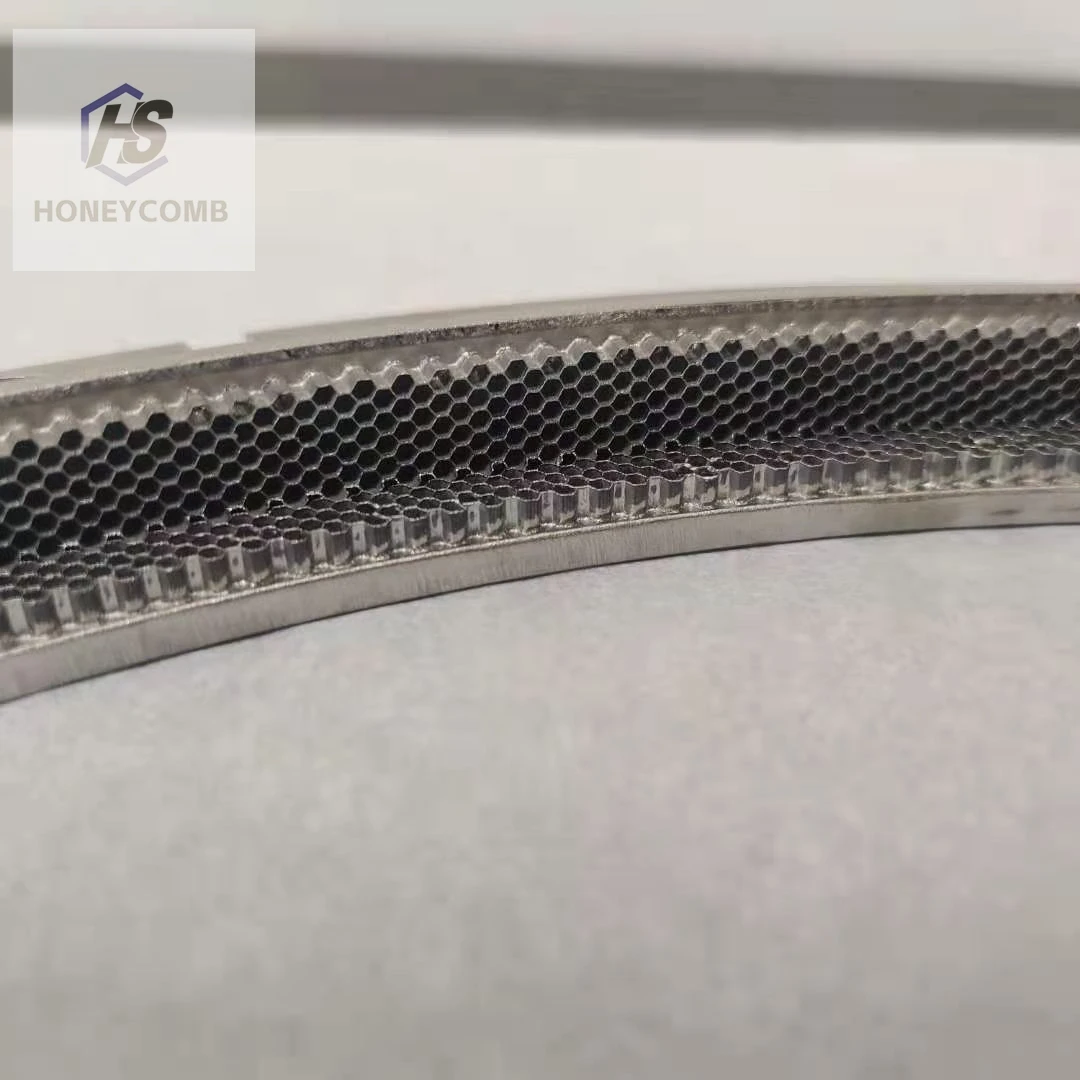
A vented aluminum honeycomb is appropriate when an enclosure needs air circulation through a ventilated opening while the design also calls for electromagnetic interference shielding. Our Aluminium EMC Shielded Honeycomb Vent for a 120 × 120 mm Fan is built for that combined requirement, with an aluminum honeycomb structure and configurable construction details.
The purchasing decision comes down to fit first, then the level of configuration your enclosure needs. Confirm the fan interface, the space around the opening, the vent depth, the frame shape and the gasket requirement before you select the standard size or request a customized part.
Start with the opening and installation envelope
The product is intended for a 120 × 120 mm fan application, while the listed vent dimension is 160 × 160 × 29 mm. Those dimensions describe different parts of the installation: the fan size identifies the airflow interface, and the vent dimension determines the panel space and depth you need to accommodate.
Picture the vent installed in an electronic equipment enclosure. Measure the panel area around the 120 × 120 mm fan opening, then check whether a 160 × 160 mm face and 29 mm depth fit without interfering with nearby wiring, brackets or covers. If the enclosure has a tighter panel layout, ask us to size the vent around your actual opening and mounting area. The product can be customized, so the final drawing should show the fan opening, outside dimensions, mounting points and available depth.
This product suits equipment where ventilation and electromagnetic interference protection must occupy the same panel opening. It is also a practical choice for a design team that wants an aluminum vent instead of treating the airflow opening and shielding requirement as separate components. The limiting condition is physical fit: a shielding vent still has to match the enclosure geometry and the fan arrangement.
Select the honeycomb cell size for the enclosure design
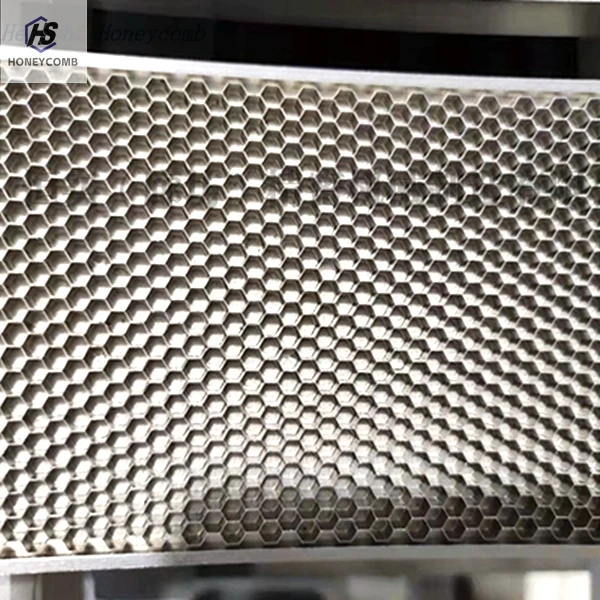
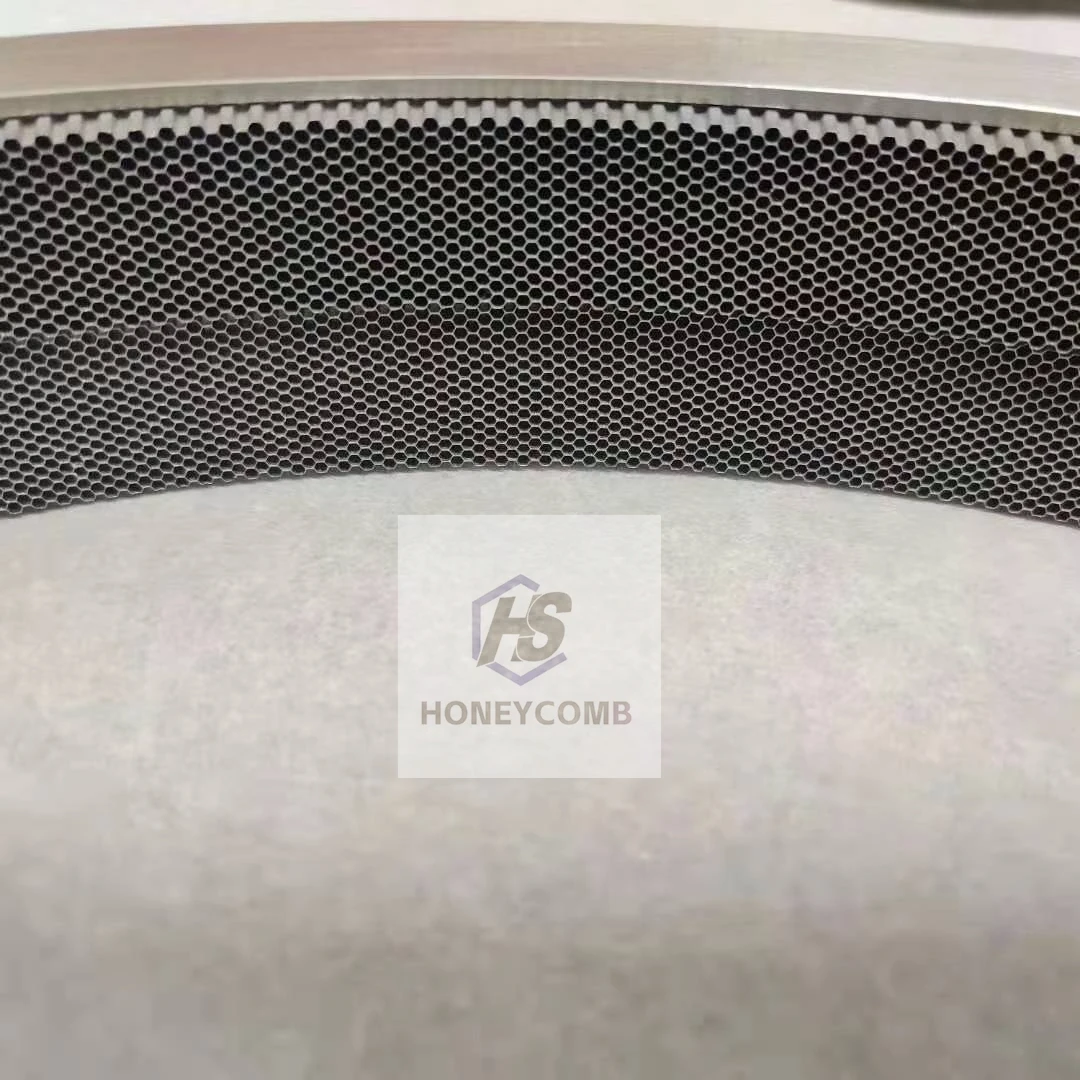
Cell size is one of the main configuration decisions. Available options include 1.6, 3.2, 4.3, 4.8, 5.6 and 8 mm, among others. Use the cell-size choice alongside the airflow path, the visible opening pattern and the space available behind the panel.
A smaller cell pattern gives the vent a finer opening structure, while a larger cell pattern gives a more open visual geometry. The right choice depends on the enclosure layout and the balance you need between ventilation design and shielding construction. We should receive the target opening, the fan arrangement and any clearance constraints before we confirm the cell size for production.
For a 120 × 120 mm fan enclosure, do not choose the cell size from the fan label alone. The fan dimension identifies the intended application, but the vent remains a separate component with its own face dimensions, frame and honeycomb specification. Send us the panel drawing if the vent must align with a grille, filter, mounting plate or adjacent connectors.
Match foil thickness and surface treatment to the build
The available foil thicknesses include 0.04, 0.06, 0.13, 0.15, 0.2 and 0.3 mm, among others. This gives you several construction options for the aluminum honeycomb. The selected thickness should be considered with the vent size, frame, mounting method and handling conditions.
Surface treatment is another configuration point. We can supply electroless nickel plating or white oxidation. Choose the treatment together with the enclosure finish and the environment in which the panel will be installed. If the vent will be visible on the outside of equipment, include the surrounding panel finish in the request so the configuration can be reviewed as one assembly.
The vent is a good fit when you need an aluminum construction with a defined honeycomb core and a specified surface treatment. Its limitation is that the most suitable foil thickness and treatment cannot be selected from the fan size alone. The enclosure drawing and the intended assembly conditions determine which combination should be quoted.
Choose the frame and sealing arrangement
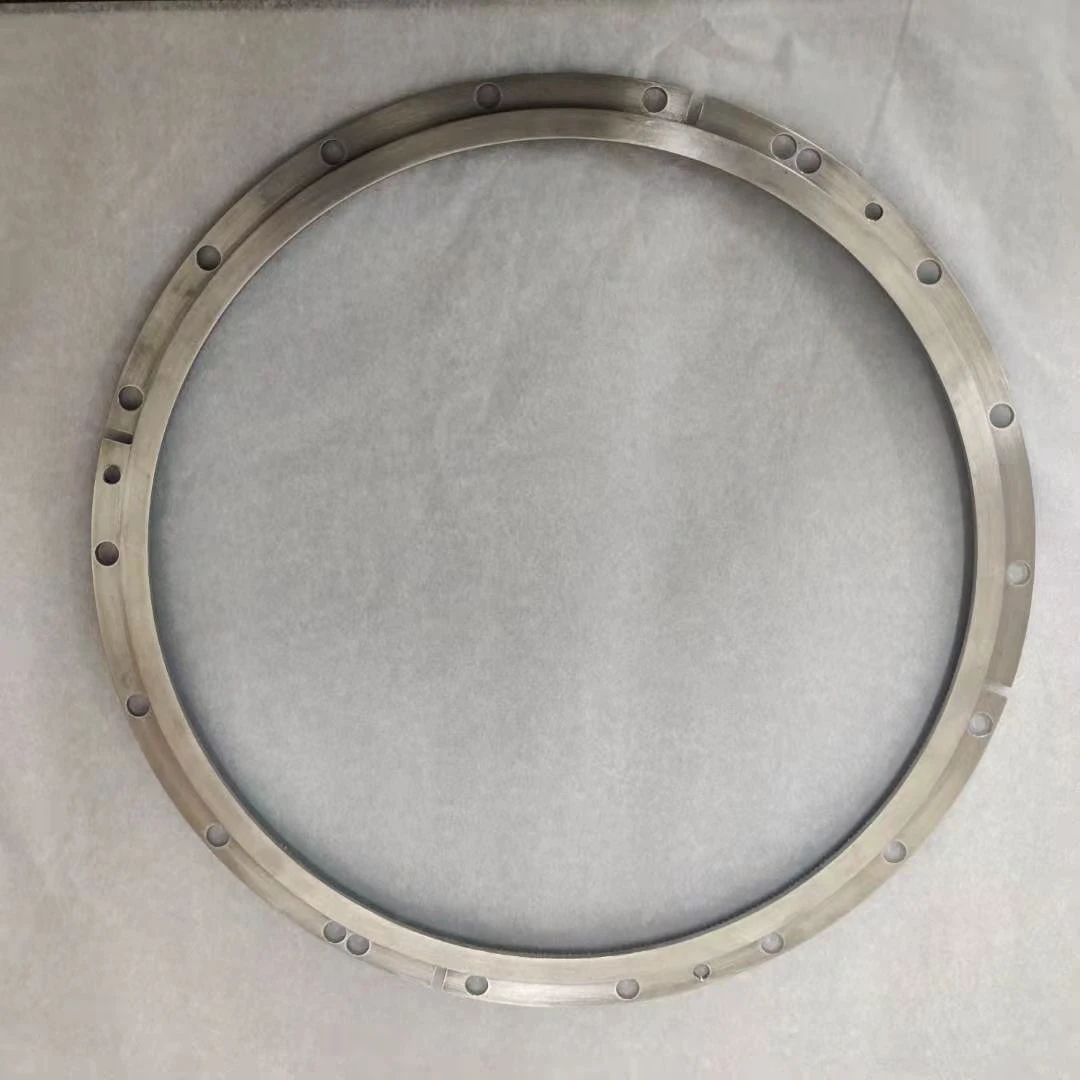
Frame shape affects how the vent meets the enclosure. Available frame forms include L type, C type and H type. Select the shape according to the panel edge, the mounting arrangement and whether the vent must sit within, against or across a panel structure.
Gaskets are customizable. Include the gasket requirement when the vent must meet a defined panel interface or when the assembly uses a gasketed joint. We can then review the vent, frame and gasket as a matched set instead of treating the honeycomb core as an isolated insert.
The welding method is also configurable. The available options are spot welding and gluing. Tell us which assembly approach your enclosure design uses, particularly if the vent must align with an existing frame or if the assembly process favors one joining method. The product suits buyers who need these construction choices handled as part of the vent specification. It is less suitable to order by fan size alone when the mounting interface is already fixed.
A practical check before requesting a quote
For a control cabinet or electronic enclosure, place the 120 × 120 mm fan location on the panel drawing and mark the surrounding components. Add the listed 160 × 160 × 29 mm vent envelope, then check the clearance to cables, connectors and panel edges. Mark whether the vent is mounted from the inside or outside, which frame shape is required and whether a customizable gasket is part of the joint.
For a telecommunications, aerospace or electronic equipment application, identify the ventilation opening and the shielding requirement together. Then specify the preferred aluminum construction, candidate cell size, foil thickness, surface treatment and joining method. This gives us the information needed to discuss a suitable configuration without treating the product title as a complete engineering specification.
Questions to settle before ordering
Can the vent use a cell size other than the listed options?
Yes. The listed cell sizes include 1.6, 3.2, 4.3, 4.8, 5.6 and 8 mm, among others. If your enclosure requires a different opening pattern, send the target cell size with the panel drawing. We can review the requested configuration together with the fan opening, vent dimensions, frame shape and intended surface treatment.
Which frame shapes are available for panel mounting?
L type, C type and H type frames are available. The appropriate choice depends on how the vent meets the enclosure panel and where the mounting interface is located. Include a section view or mounting sketch when the vent must align with a folded panel, a surrounding frame or another enclosure component.
Can the standard 160 × 160 × 29 mm dimension be customized?
Yes. The dimension is listed as 160 × 160 × 29 mm or customizable. For a customized vent, send the required outside dimensions, the 120 × 120 mm fan opening, the available depth and the mounting details. Add the gasket requirement if the vent must match a particular panel joint.
Which joining methods can be specified?
Spot welding and gluing are available. State the preferred method with the frame type and aluminum construction when you request a quotation. This helps us review the joining method as part of the complete vent assembly rather than selecting it separately from the honeycomb core.
Send the panel drawing with your vent requirements
Choose this vent when one panel opening must support airflow for a 120 × 120 mm fan and electromagnetic interference shielding. The standard 160 × 160 × 29 mm format suits layouts with that installation envelope; customized dimensions suit panels with fixed clearances or mounting geometry. Send us the fan opening, outside size, depth, frame shape, cell size, foil thickness, surface treatment, joining method, gasket requirement and quantity for a quotation.

About the author
The company
Hengshi (Langfang) Precision Machinery Manufacturing Co., Ltd.
Hengshi Honeycomb was founded on August 2019 by Mr. Guo Fengshuang. The company is located in Langfang City, Hebei Province, near south of Beijing Daxing airport. with a registered capital of 14 million yuan and an area of above 5000 square meters. Our team has above 13 years of experience focusing on research, development and production,and constantly improving our production process, and always in the leading position in the metal honeycomb industry.…
About Us ↗Visit company website ↗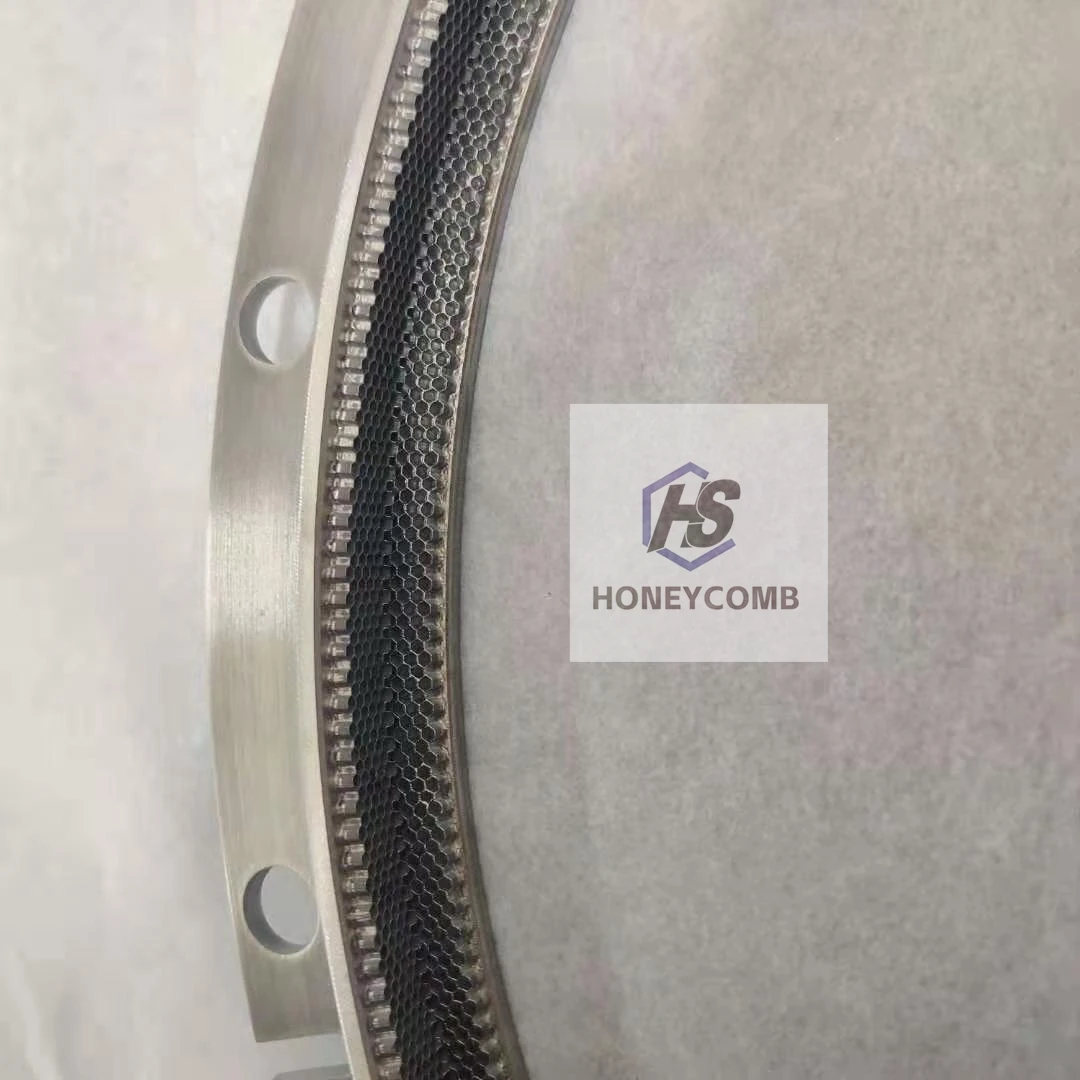
-
High Performance EMI Honeycomb Vent for Sale: Buyer FAQsNewsNov.03,2026
-
Comparing Customized Hexagonal 316 Stainless Steel Honeycomb Core For Sewage Treatment Options: Specifications, Materials and Supplier DocumentationNewsOct.28,2026
-
High Precision Metal Honeycomb Seals buy turbine core datasheetNewsJul.01,2026
-
High Performance Military Grade Metal Honeycomb Core for SaleNewsJun.29,2026
-
Find High Performance Brazed Best Honeycomb Strips for Sale NowNewsJun.27,2026
-
High Performance Industrial Honeycomb Shield for Sale for EMI ProtectionNewsJun.26,2026
-
Best Honeycomb Waveguide Window Supplier for Precision EngineeringNewsJun.25,2026






 English
 Afrikaans
 Albanian
 Amharic
 Arabic
 Armenian
 Azerbaijani
 Basque
 Belarusian
 Bengali
 Bosnian
 Bulgarian
 Catalan
 Cebuano
 China
 China (Taiwan)
 Corsican
 Croatian
 Czech
 Danish
 Dutch
 Esperanto
 Estonian
 Finnish
 French
 Frisian
 Galician
 Georgian
 German
 Greek
 Gujarati
 Haitian Creole
 Hausa
 Hawaiian
 Hebrew
 Hindi
 Miao
 Indonesian
 Italian
 Japanese
 Javanese
 Malay
 Persian
 Portuguese
 Punjabi
 Russian
 Spanish
 Swahili
 Telugu
 Vietnamese