


High Precision Custom Air Flow Straightener Datasheet Guide
Ensuring laminar flow and minimizing turbulence is a critical engineering challenge in high-performance turbine and aerospace systems. When air enters a system with erratic velocity profiles, it can lead to significant energy losses and mechanical instability. This is where a high-precision air flow straightening mechanism becomes essential. By utilizing a cellular metal honeycomb structure, these components force the air into parallel paths, effectively removing swirls and vortices to create a uniform stream.
For engineers seeking a custom air flow straightener datasheet, the focus is typically on the balance between pressure drop and straightening efficiency. Whether integrated into wind tunnels or industrial compressors, the geometry and material of the core determine the system's overall reliability. Leveraging advanced brazing and stamping technologies, these precision-engineered cores provide the stability required for extreme thermal and pressure environments.

The Role of Honeycomb Structures in Flow Stabilization
The primary function of a flow straightener is to convert turbulent, chaotic air movement into a predictable, linear flow. In the metal honeycomb industry, this is achieved by creating a dense array of hexagonal cells. As air passes through these cells, the walls act as physical guides that suppress lateral movement and eliminate rotational components of the flow. This process is vital for maintaining the efficiency of gas turbines and jet engines, where uneven air distribution can cause combustion instability or blade fatigue.
Beyond simple stabilization, the honeycomb architecture offers an exceptional strength-to-weight ratio. This allows for the construction of large-scale modules that can withstand high-velocity impact without compromising the structural integrity of the housing. By optimizing the cell size—ranging from 0.8mm for high-precision filtration to 30mm for heavy-duty ventilation—manufacturers can tune the straightening effect to match specific aerodynamic requirements.
Furthermore, the integration of advanced alloys ensures that these components perform reliably under stress. The use of stainless steel 304, 316L, or high-nickel alloys prevents the deformation of cell walls, which is crucial because any deviation in the geometric regularity of the cells can introduce new turbulence patterns, defeating the purpose of the straightener.

Technical Performance and Material Selection Criteria
Selecting the right material is a pivot point in the design process. For applications involving corrosive chemicals or high humidity, stainless steel 316L is often the preferred choice due to its superior molybdenum content. In contrast, aluminum is utilized where weight reduction is the priority, such as in aerospace ducting. The fabrication process, including vacuum brazing and CNC milling, ensures that the transitions between the honeycomb core and the mounting flange are seamless, preventing leakage at the edges.
A key technical metric is the "pressure drop" vs. "straightening quality" trade-off. A denser honeycomb core (smaller cell size) provides better flow uniformity but increases the resistance to air movement, which can lower the overall efficiency of the compressor. Engineers must analyze the custom air flow straightener datasheet to ensure the selected cell diameter provides the necessary stabilization without creating an unsustainable pressure bottleneck.
Additionally, high-temperature resistance is non-negotiable in turbine operations. By employing alloys like Inconel or Hastelloy, the honeycomb structure can maintain its shape at extreme temperatures. This thermal stability ensures that the gas flow control remains consistent even during the most demanding operational cycles, reducing the risk of component failure and unplanned downtime.
Industrial Applications: From Wind Tunnels to Gas Turbines
Flow straighteners are indispensable in a variety of high-stakes environments. In wind tunnel testing, they are placed upstream of the test section to ensure that the air hitting the model is perfectly laminar, allowing for accurate aerodynamic data collection. Without this precision, the turbulence created by the tunnel's bends would invalidate the test results.
In power generation, specifically within steam and gas turbines, these components are used to optimize the air intake. By controlling the gas flow, they reduce energy loss and improve fuel efficiency. Similarly, in the aerospace sector, they are integrated into jet engine intakes to protect the compressor blades from uneven air distribution, which can cause mechanical vibrations and long-term wear.
- Compressors & Pumps: Ensuring stable suction flow to prevent cavitation and surge.
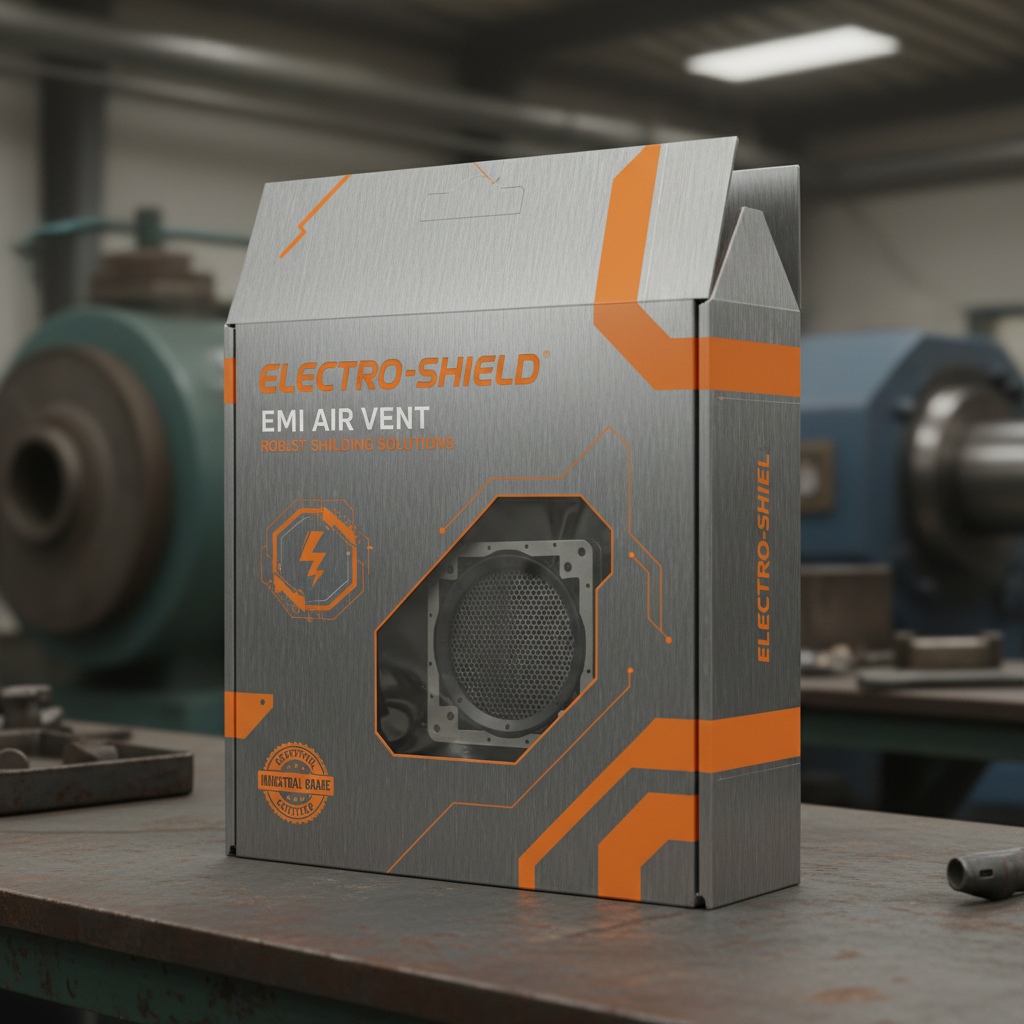
- EMI Shielded Vents: Combining flow straightening with electromagnetic interference protection.
- Aviation Ducting: Managing high-velocity air streams under extreme pressure changes.
- Industrial HVAC: Reducing noise and vibration by eliminating turbulent swirls in large ducts.
Technical Specification Comparison for Flow Control Cores
| Material Grade | Cell Size Range | Temperature Limit | Primary Application |
|---|---|---|---|
| Aluminum Alloy | 3.2mm - 12mm | Medium | Aerospace Ducting |
| Stainless Steel 304 | 1.6mm - 6.4mm | High | Industrial Ventilation |
| Stainless Steel 316L | 0.8mm - 4.8mm | High | Corrosive Environments |
| Inconel / Hastelloy | 2.0mm - 10mm | Extreme | Gas Turbine Intakes |
| Carbon Steel | 10mm - 30mm | Low/Medium | Heavy-Duty Filtration |
Procurement Strategies for Custom Honeycomb Components
When sourcing flow straightening modules, procurement managers should prioritize manufacturers with integrated production capabilities. The ability to handle everything from honeycomb stamping and tailor welding to vacuum brazing and CNC processing reduces the risk of dimensional inaccuracies. Tight tolerances are essential; even a few microns of deviation in the cell wall thickness can affect the flow coefficient of the entire module.
Quality certifications such as ISO 9001:2015 and GJB9001C-2017 serve as benchmarks for reliability. Buyers should verify that the products comply with ROHS and SGS standards to ensure environmental safety and material purity. A "zero defect" production philosophy is particularly important for aerospace components, where a single structural flaw could lead to catastrophic system failure.
Furthermore, the flexibility of the supplier to provide tailored configurations—varying the cell size and material based on the specific flow velocity—is a key value driver. Customization ensures that the component fits perfectly into the existing machinery, eliminating the need for makeshift adapters that could introduce additional turbulence.
Future Trends in Aerodynamic Flow Management
The industry is moving toward "smart" flow management, where honeycomb structures are designed using computational fluid dynamics (CFD) to create non-uniform cell distributions that optimize flow for specific asymmetric inlets. This allows for higher efficiency in compact spaces, a growing requirement in the development of next-generation urban air mobility (UAM) vehicles and compact industrial turbines.
Additionally, there is an increasing shift toward hybrid materials. Combining the strength of stainless steel with specialized coatings for anti-oxidation or noise dampening is becoming more common. This evolution allows the flow straightener to perform multiple roles—such as sound absorption and EMI shielding—simultaneously, reducing the overall footprint of the system.
As precision manufacturing continues to evolve, we expect to see a wider adoption of additive manufacturing for extremely complex core geometries that were previously impossible to stamp or weld. However, for large-scale industrial needs, the traditional brazed honeycomb remains the gold standard for durability and cost-effectiveness.
Technical FAQ: Optimizing Air Flow Straightening
What is the primary difference between a honeycomb straightener and a perforated plate?
A perforated plate primarily reduces velocity and breaks up large eddies, but it often creates new turbulence downstream. A honeycomb straightener, however, uses long parallel channels to physically guide the air, effectively removing the rotational component of the flow and producing a truly laminar stream.
How do I choose the correct cell size for my application?
Selection depends on the required straightening quality and the allowable pressure drop. Smaller cells (e.g., 1.6mm to 3.2mm) provide superior straightening but higher resistance. Larger cells (e.g., 10mm+) offer lower pressure drop but are less effective at eliminating small-scale turbulence.
Can these components be used in high-temperature steam environments?
Yes, provided the correct material is selected. We recommend using stainless steel 316L or high-nickel alloys like Inconel for steam turbines, as these materials resist oxidation and maintain structural integrity at extreme temperatures.
What is the impact of cell wall thickness on flow efficiency?
Thinner walls increase the open area, which reduces pressure drop and improves the flow coefficient. However, they must be thick enough to prevent buckling under high-velocity air streams. Precision stamping ensures the optimal balance between strength and openness.
Do you offer customized dimensions for non-standard duct shapes?
Yes, we provide fully customizable design, processing, and manufacturing. This includes custom cell sizes, specific materials, and CNC-machined frames to ensure a perfect fit for your specific industrial or aerospace housing.
How often should flow straightening cores be inspected for wear?
Inspection intervals vary by environment. In high-particle air streams, we recommend quarterly inspections for debris buildup or cell wall erosion, as any blockage can distort the flow profile and reduce system efficiency.
Technical References & Industry Standards
- Principles of Laminar vs Turbulent Flow - Wikipedia
- ISO Quality Management Standards for Manufacturing
- ASME Standards for Pressure Vessel and Piping Components
- NASA Aerodynamic Research on Flow Control
For engineers and procurement specialists requiring high-precision flow stabilization, choosing a manufacturer with deep expertise in metal honeycomb technology is critical. From material selection to final vacuum brazing, every step impacts the aerodynamic outcome of your system.
Related Articles









 English
 Afrikaans
 Albanian
 Amharic
 Arabic
 Armenian
 Azerbaijani
 Basque
 Belarusian
 Bengali
 Bosnian
 Bulgarian
 Catalan
 Cebuano
 China
 China (Taiwan)
 Corsican
 Croatian
 Czech
 Danish
 Dutch
 Esperanto
 Estonian
 Finnish
 French
 Frisian
 Galician
 Georgian
 German
 Greek
 Gujarati
 Haitian Creole
 Hausa
 Hawaiian
 Hebrew
 Hindi
 Miao
 Indonesian
 Italian
 Japanese
 Javanese
 Malay
 Persian
 Portuguese
 Punjabi
 Russian
 Spanish
 Swahili
 Telugu
 Vietnamese