


Edelstahlwaben – The Lightweight Powerhouse for Modern Industry & Construction
The Rising Importance of Edelstahlwaben in Modern Industry
“Edelstahlwaben”—a word that might sound like something out of advanced metallurgy courses or German engineering manuals—is actually becoming a cornerstone in industries ranging from aerospace to construction. But what exactly are these stainless steel honeycombs, and why should you care about them globally?
If you’re tracking trends in materials science or industrial innovation, understanding edelstahlwaben is key. They combine strength, lightness, and versatility in ways that few other materials can. Around the world, they help reduce material waste, improve fuel efficiency, and even support sustainable practices. Yet, despite their growing use, many people still overlook how crucial these honeycomb structures are to everyday tech and infrastructure.
Why Edelstahlwaben Matter Globally
Material efficiency is a pressing global challenge—according to ISO and the United Nations Environment Programme, industries responsible for heavy manufacturing contribute significantly to carbon emissions and raw material consumption. In this context, lightweight but durable solutions like edelstahlwaben are gaining traction because they offer high strength with less weight, effectively tackling fuel consumption in transportation sectors and reducing overall waste in construction.
Frankly, it’s rare that a component so simple in appearance—thin sheets punched or expanded into hexagonal patterns—can influence so many facets of modern manufacturing and sustainability goals globally. The honeycomb structure’s efficiency allows companies to not only save on costs but also meet increasingly stringent international environmental standards.
Mini Takeaway:
- Edelstahlwaben are stainless steel honeycomb panels vital for lightweight, strong constructions.
- They address global challenges by reducing material use and carbon emissions.
Defining Edelstahlwaben – What Exactly Are They?
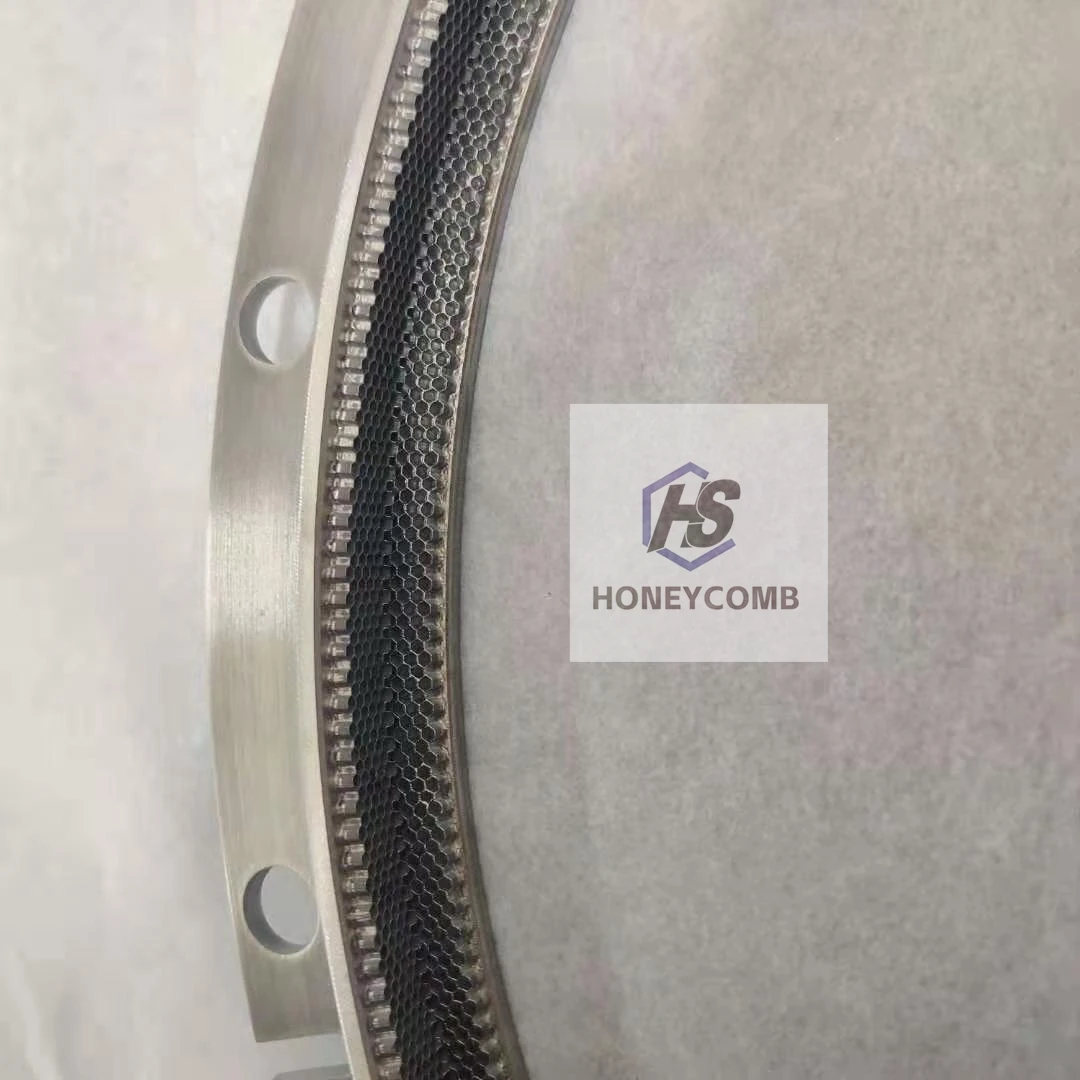
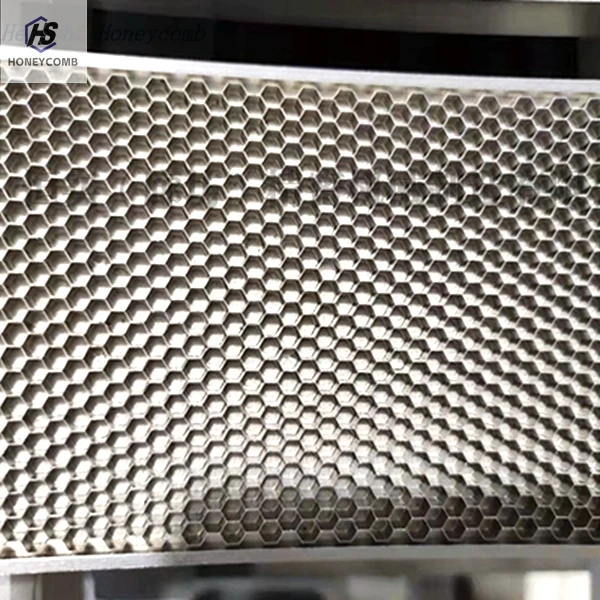
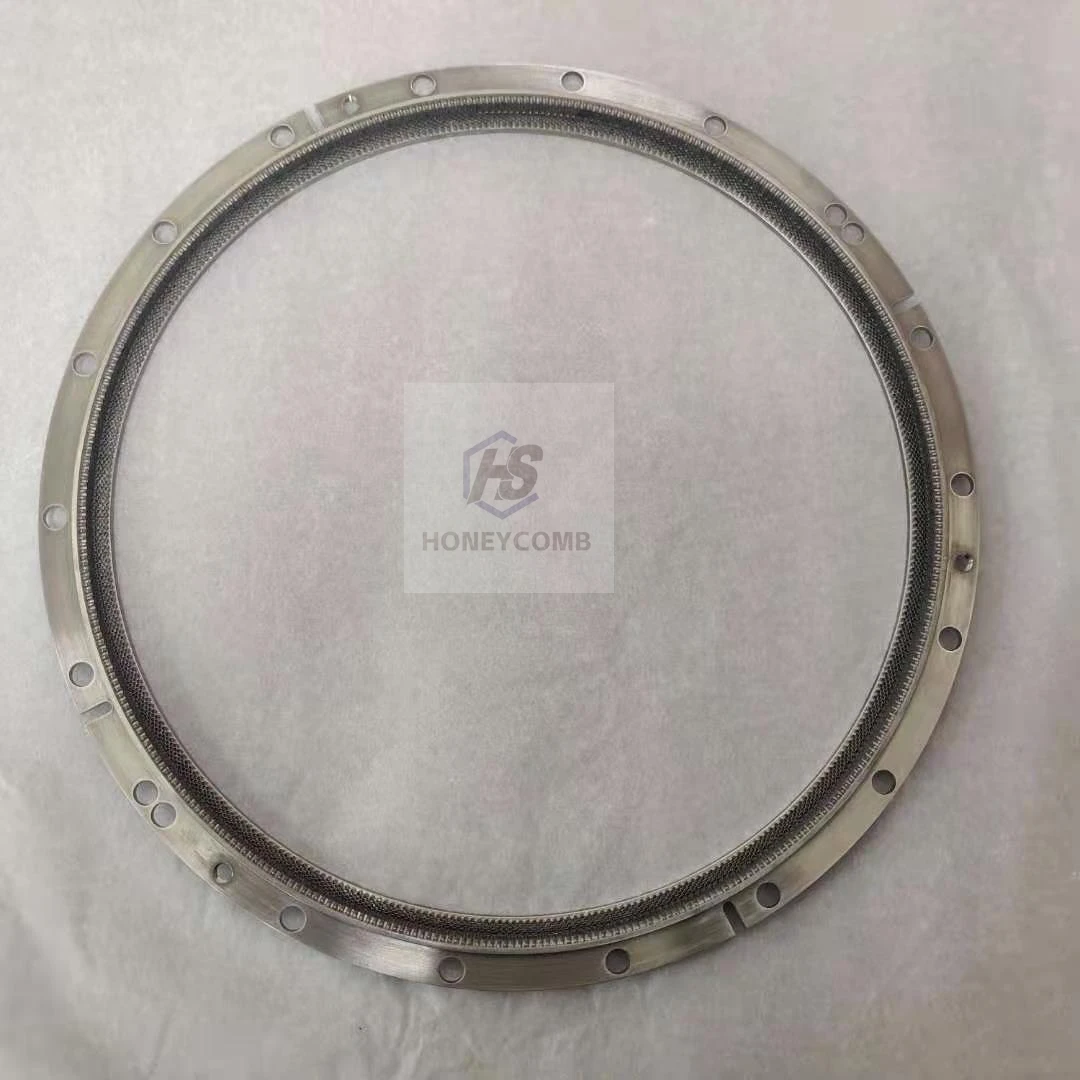
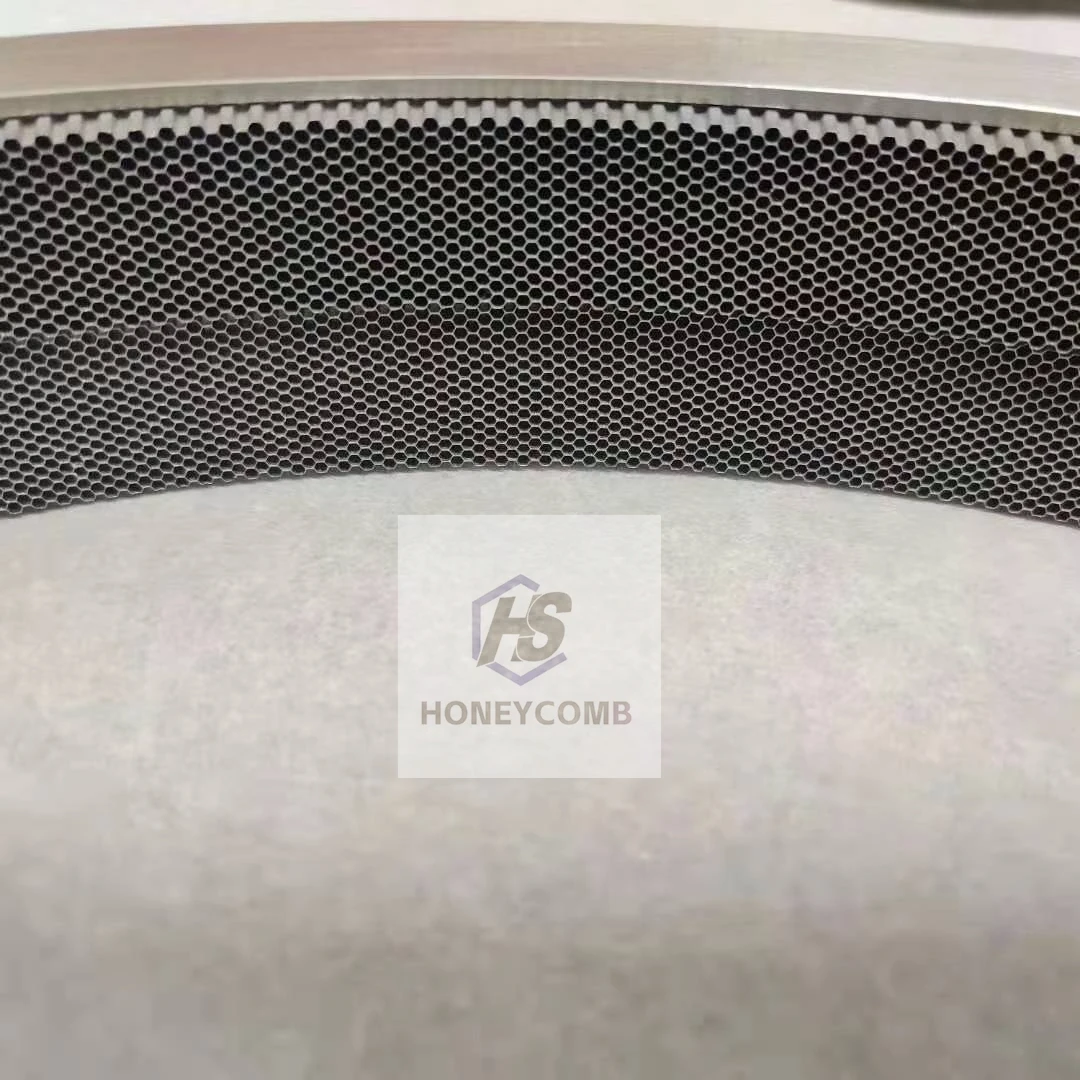
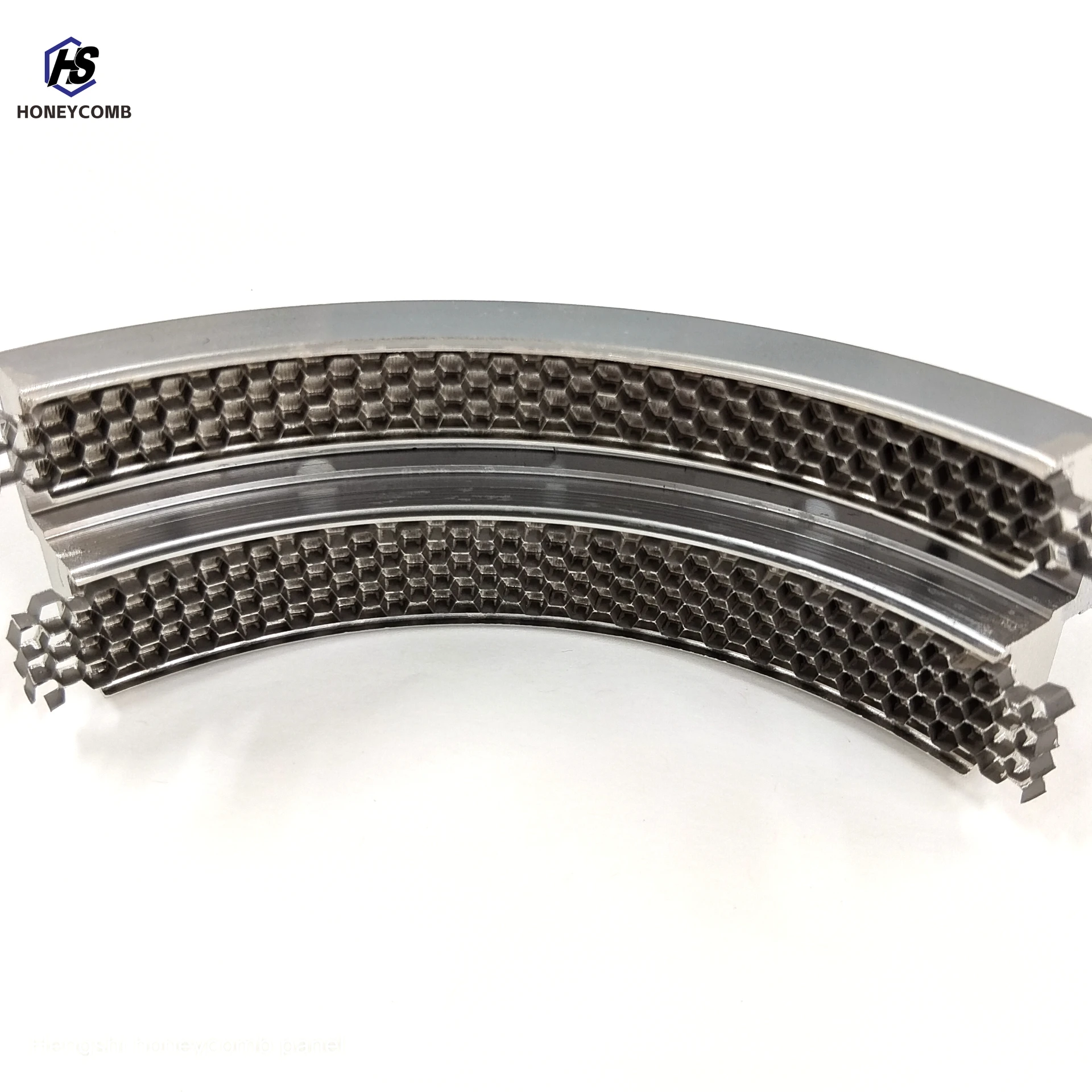
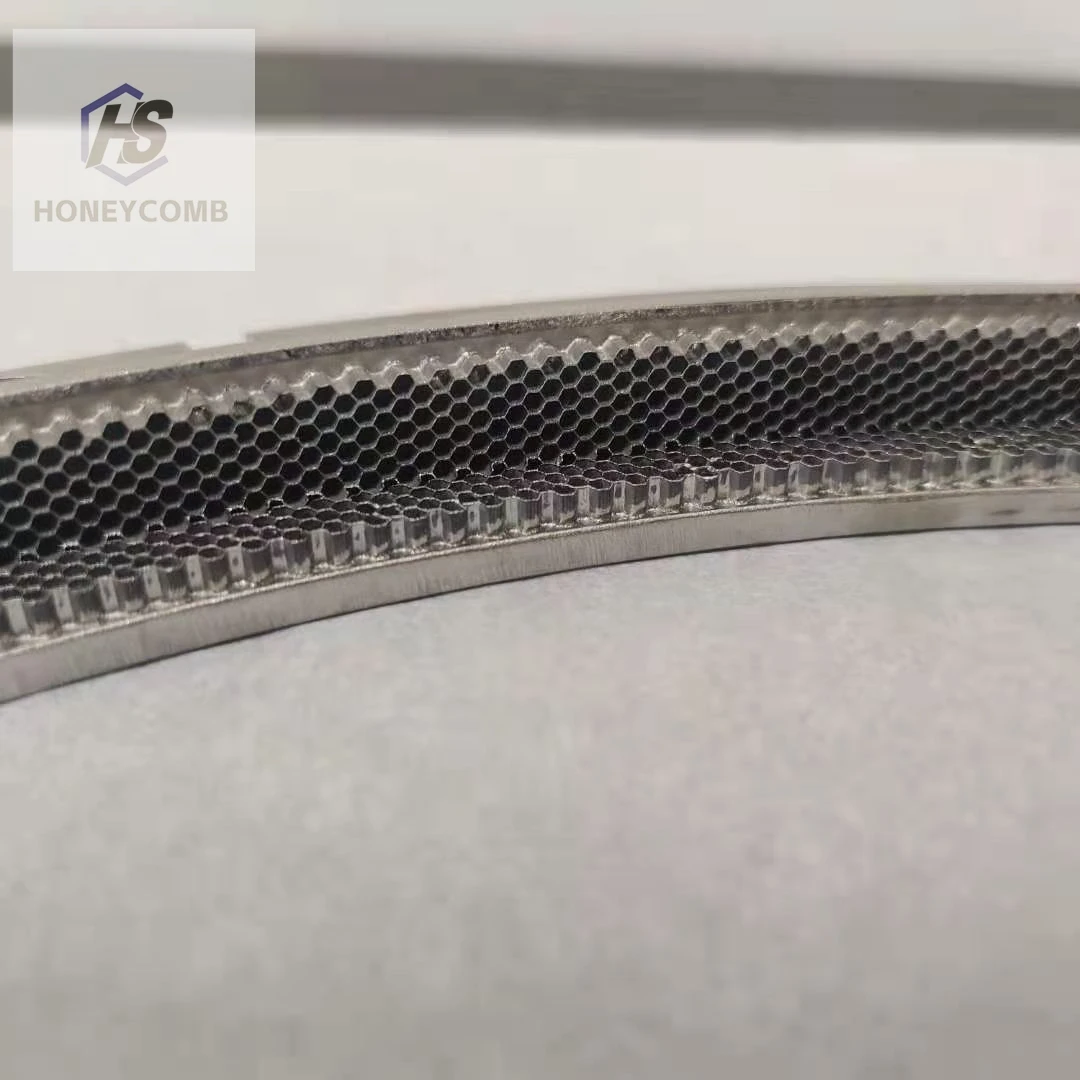
In simple terms, edelstahlwaben translates from German to “stainless steel honeycomb.” They are engineered panels featuring a honeycomb core made of thin, interconnected stainless steel sheets formed into a hexagonal pattern.
This design mimics nature’s honeycomb—incredibly efficient in balancing weight and load distribution. The result? A structure that’s stiff, resilient, and surprisingly lightweight. You’ll find edelstahlwaben used where every kilogram counts, like in aircraft interiors, automated machinery, or even architectural facades.
What’s especially interesting is how this material crosses from high-tech industries right into humanitarian and construction needs—like disaster relief shelters or modular housing kits—that demand strength without added weight.
Crucial Features of Edelstahlwaben You Should Know
Durability
Stainless steel’s corrosion resistance is legendary. Edelstahlwaben resist rust and chemical wear—even in sea spray or polluted urban environments—making them a go-to for outdoor construction and marine applications.
Lightweight Strength
Because of their hexagonal geometry, these honeycombs provide tremendous strength at a fraction of the weight compared to solid metals. This trait benefits everything from automotive panels to lightweight cladding on skyscrapers.
Thermal and Acoustic Properties
Oddly enough, edelstahlwaben also help with insulation—thermal breaks minimize heat transfer, and the cavity structure dampens noise. In factories or even green building projects, they double as functional and structural elements.
Scalability and Customization
Manufacturers can tailor cell sizes, sheet thickness, and panel dimensions to suit particular applications. From tiny aerospace components to giant industrial filters, scalability is a big selling point.
Environmental Sustainability
Recyclable and often made from post-consumer steel, these honeycombs align well with circular economy principles, supporting industries aiming for net-zero footprints.
Mini Takeaway:
- Stainless steel honeycombs combine lightweight design with rugged durability.
- Their flexibility allows use in diverse fields, from aerospace to eco-conscious construction.
Worldwide Uses of Edelstahlwaben
The breadth of edelstahlwaben applications is impressive. In Europe, aerospace companies rely on stainless honeycomb panels for flooring and interior cabin parts, valuing weight reductions that translate into fuel savings. In Asia, automotive plants use them to construct lightweight yet safe chassis components. Meanwhile, in harsh environments like the Middle East’s oil fields, their corrosion resistance ensures long-term structural integrity.
Interestingly, NGOs assisting in disaster relief are exploring modular shelters with edelstahlwaben cores—these offer easy transport plus durable housing that withstands weather extremes. Remote mining operations also benefit, where logistics require lightweight, rugged materials.
Regional Highlight Example:
- Europe & USA: Aerospace, automotive, architecture.
- Asia & Middle East: Industrial machinery, oil rigs.
- Africa & Latin America: Disaster relief, modular housing.
Key Advantages & Its Long-Term Benefits
When you look beyond the initial specs, the value of edelstahlwaben becomes clearer:
- Cost Efficiency: Reduced material usage saves upfront costs and lowers transport fees.
- Sustainability: Longevity and recyclability reduce environmental impact significantly.
- Social Impact: Durable, lightweight housing can improve lives in underserved areas.
- Reliability: Stainless steel’s known lifespan offers confidence in industrial uptime.
Couple these benefits with the emotional aspects—like safety in structural integrity, dignity in better living conditions, or trust in proven materials—and it’s no wonder so many engineers swear by edelstahlwaben.
Looking Forward: Innovations and Trends Shaping Edelstahlwaben
The future is particularly exciting. Research is pushing toward integrating these honeycomb cores with green energy tech—for instance, embedding photovoltaic cells into facade panels. Automation and digital manufacturing methods now enable rapid prototyping and complex customizations.
Moreover, ongoing developments in biodegradable coatings and hybrid materials combined with stainless steel honeycombs hint at even more sustainable, lighter, and stronger composites on the horizon.
Common Challenges and How Experts Tackle Them
Of course, edelstahlwaben aren’t without limitations. They can be costlier upfront than some composites, and manufacturing requires precision to avoid weak spots. However, advances in robotic assembly and quality controls have drastically reduced these issues.
Engineers also highlight transport complexities due to panel size, but modular approaches are mitigating that. I suppose the biggest hurdle now is getting this tech into markets where cost sensitivity is high but benefits are needed most.
FAQ: Your Questions About Edelstahlwaben Answered
- Q: How long do edelstahlwaben structures last in harsh environments?
- A: Typically, stainless steel honeycomb panels offer lifespans upwards of 30 years depending on conditions, thanks to corrosion resistance and mechanical stability.
- Q: Can Edelstahlwaben panels be customized for irregular shapes?
- A: Yes, manufacturers can tailor cell dimensions, thickness, and panel size for specific industrial or architectural requirements, making them highly versatile.
- Q: Are these honeycomb panels environmentally friendly?
- A: Absolutely—being made of recyclable stainless steel and often from recycled sources, plus reducing material use, they contribute significantly to sustainable manufacturing goals.
- Q: How does edelstahlwaben compare to aluminum honeycomb?
- A: Edelstahlwaben generally offer superior corrosion resistance and strength but at a higher cost and weight than aluminum options—each suits different project needs.
- Q: Where can I source high-quality edelstahlwaben?
- A: Trusted suppliers and manufacturers such as those found at hshihoneycomb offer certified, customizable products fit for global industries.
Technical Specifications of a Typical Edelstahlwaben Panel
| Parameter | Specification | Unit |
|---|---|---|
| Material Grade | 304 / 316 Stainless Steel | - |
| Cell Size | 3–12 | mm |
| Panel Thickness | 10–50 | mm |
| Density | ~3 | g/cm³ |
| Compressive Strength | 50,000–125,000 | kPa |
| Operating Temp. Range | -200 to 700 | °C |
Comparing Top Edelstahlwaben Vendors
| Vendor | Product Range | Customization | Lead Time | Price Range |
|---|---|---|---|---|
| HSHI Honeycomb | Wide (aerospace, architecture) | High | 2–4 weeks | $$$ |
| SteelCore Solutions | Mid-range (industrial) | Medium | 3–6 weeks | $$ |
| HexaMetals Inc. | Niche/custom orders | Very High | 4–8 weeks | $$$$ |
Final Thoughts on Edelstahlwaben
So, here’s the thing: Edelstahlwaben might sound niche, but their impact is far from it. They neatly solve persistent problems of weight versus strength, cost against sustainability, and durability over the long haul. Engineers and designers are leveraging these honeycomb wonders in ways that feel almost poetic—light as air but tough as nails.
For anyone looking to stay ahead in industrial materials or modern construction, understanding how edelstahlwaben work and where they fit is more than just a curiosity—it’s kind of essential. And honestly, it feels like the more we adopt these innovations, the closer we get to building truly smarter, safer, and greener worlds.
If you want to explore more about edelstahlwaben and how they can revolutionize your projects, do check out hshihoneycomb—their expertise offers incredible insights and superior products.
References:
-
How to Choose a Vented Aluminum Honeycomb for a 120 × 120 mm FanNewsNov.10,2026
-
High Performance EMI Honeycomb Vent for Sale: Buyer FAQsNewsNov.03,2026
-
Comparing Customized Hexagonal 316 Stainless Steel Honeycomb Core For Sewage Treatment Options: Specifications, Materials and Supplier DocumentationNewsOct.28,2026
-
High Precision Metal Honeycomb Seals buy turbine core datasheetNewsJul.01,2026
-
High Performance Military Grade Metal Honeycomb Core for SaleNewsJun.29,2026
-
Find High Performance Brazed Best Honeycomb Strips for Sale NowNewsJun.27,2026
-
High Performance Industrial Honeycomb Shield for Sale for EMI ProtectionNewsJun.26,2026






 English
 Afrikaans
 Albanian
 Amharic
 Arabic
 Armenian
 Azerbaijani
 Basque
 Belarusian
 Bengali
 Bosnian
 Bulgarian
 Catalan
 Cebuano
 China
 China (Taiwan)
 Corsican
 Croatian
 Czech
 Danish
 Dutch
 Esperanto
 Estonian
 Finnish
 French
 Frisian
 Galician
 Georgian
 German
 Greek
 Gujarati
 Haitian Creole
 Hausa
 Hawaiian
 Hebrew
 Hindi
 Miao
 Indonesian
 Italian
 Japanese
 Javanese
 Malay
 Persian
 Portuguese
 Punjabi
 Russian
 Spanish
 Swahili
 Telugu
 Vietnamese