


Comprehensive Guide to Stahlwaben: Steel Honeycomb Panels for Industry & Relief
What Are Stahlwaben and Why Do They Matter Globally?
At first glance, the term stahlwaben might sound like some tech jargon or perhaps a niche manufacturing concept. But, if you're curious about industrial materials that quietly underpin major global infrastructure — think aerospace, automotive, or even humanitarian relief — stahlwaben deserve a closer look. Simply put, these steel honeycomb structures offer a remarkable balance of strength, weight savings, and versatility. Understanding them better means appreciating how industries save resources and innovate smarter, not harder.
In today’s world, where sustainability and efficiency have become not just buzzwords but business essentials, materials like stahlwaben are a cornerstone. They address huge challenges: from cutting transport emissions by reducing vehicle weight to providing durable yet lightweight emergency shelters. So diving into this topic isn’t just fun for material geeks but relevant for anyone connected to modern industry or global relief efforts.
A Global Perspective: Why Stahlwaben Are Gaining Momentum
According to ISO standards and multiple industrial reports, steel honeycomb panels are surging in demand worldwide. The global honeycomb core market, including steel variants, is expected to grow by an estimated 7% annually over the next decade. Why? Because industries are waking up to the need for dynamic solutions to reduce material use while enhancing durability. This trend aligns closely with the UN’s Sustainable Development Goals, aiming for responsible industry and innovation.
Regions like Europe, North America, and parts of Asia-Pacific lead the charge, especially where automotive manufacturers strive to meet stringent emission targets. Meanwhile, disaster-prone zones in developing countries are turning to stahlwaben-based modular structures to quickly rebuild after crises. The challenge these sectors face—how to maintain high performance with fewer resources—is where stahlwaben shine brilliantly.
Mini-Takeaway
Simply put: stahlwaben aren't just metal grids—they symbolize a shift toward smarter, lighter, and more sustainable industrial design across continents.
Defining Stahlwaben: The Steel Honeycomb Explained
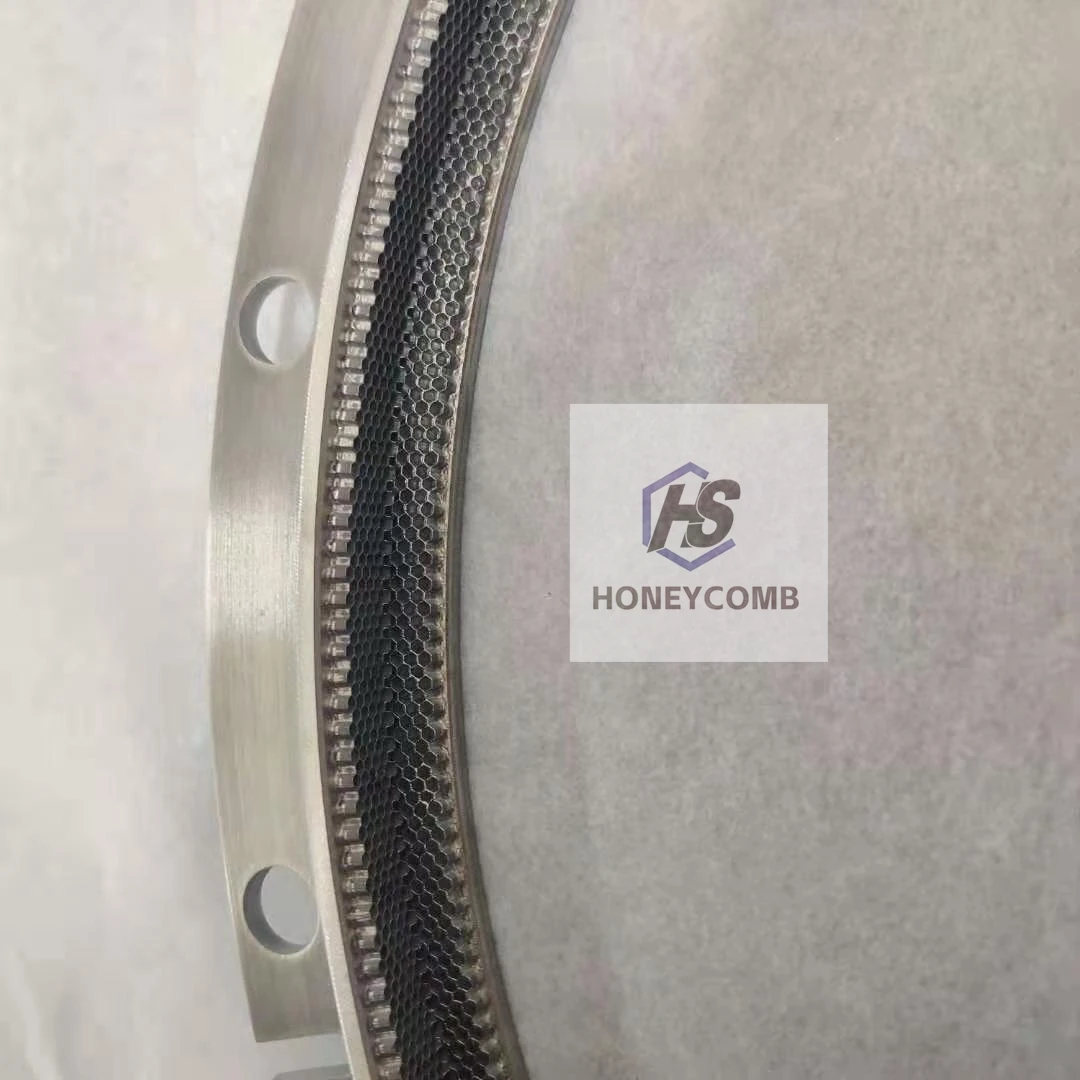
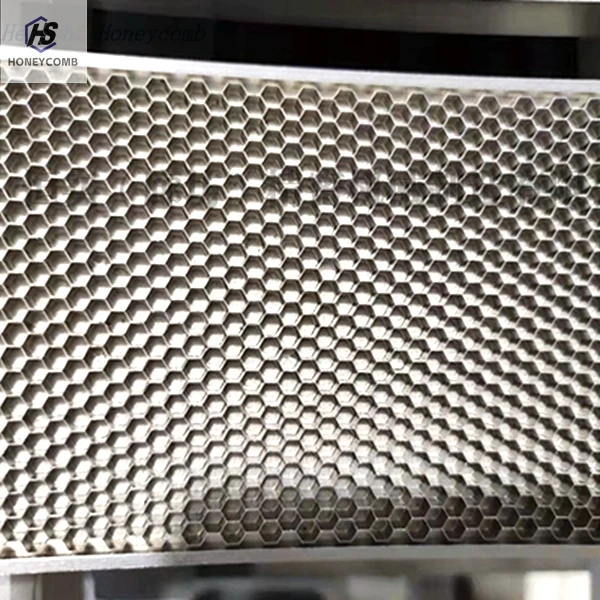
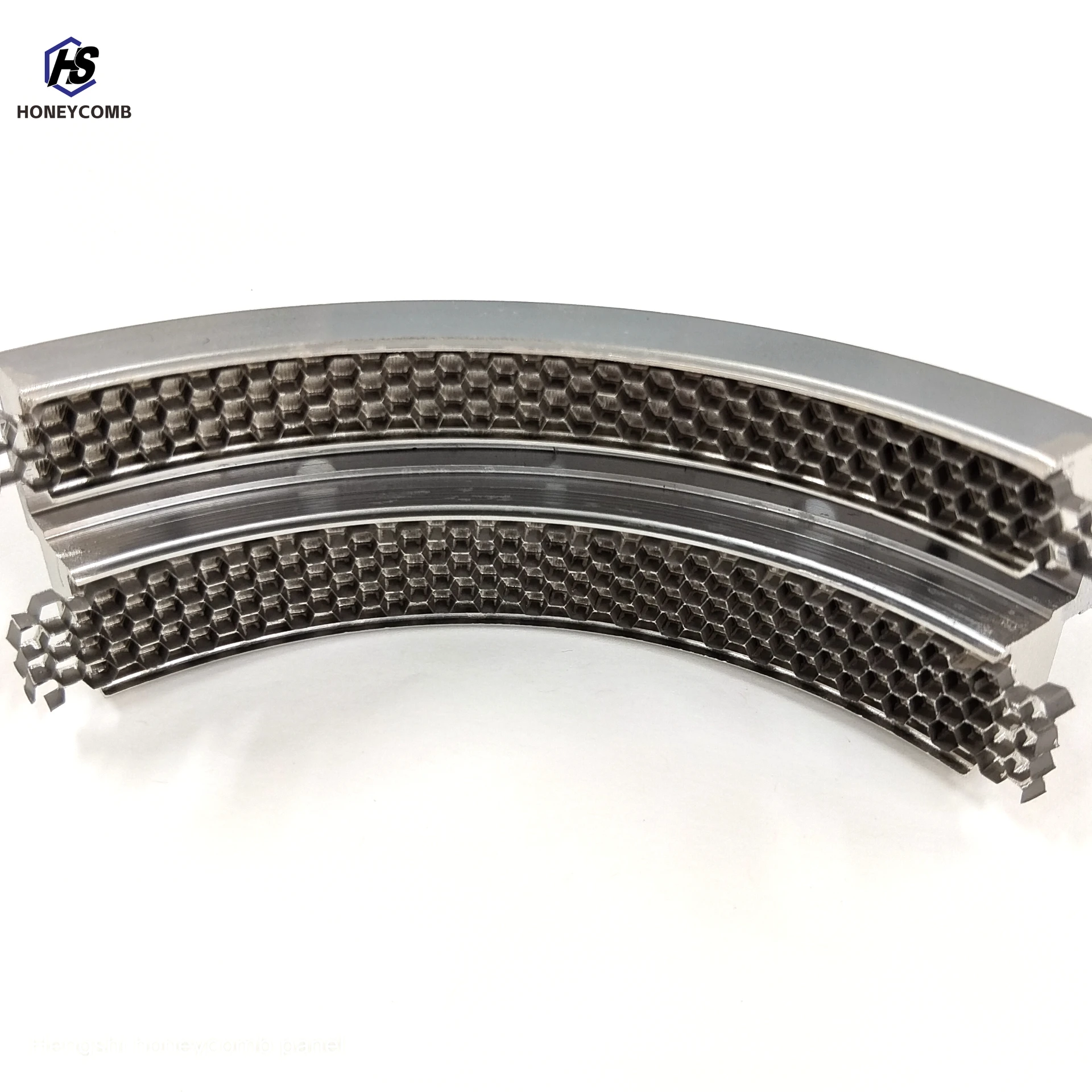
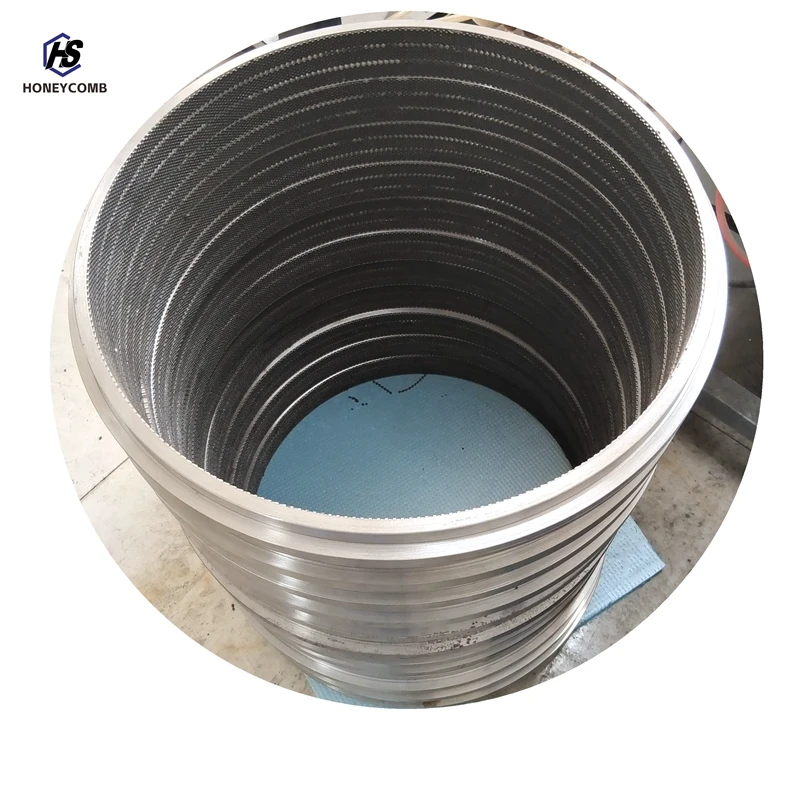
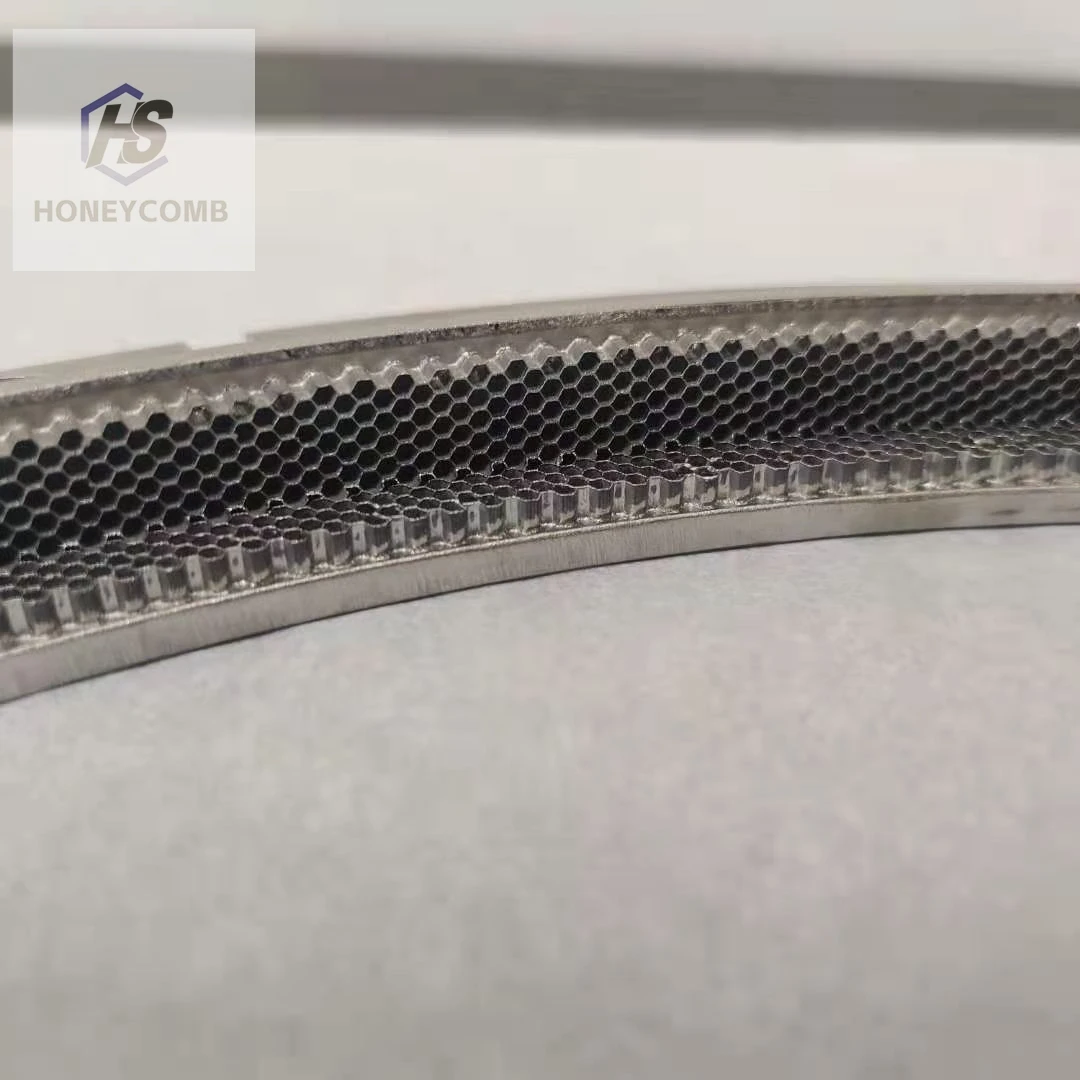
Stahlwaben is German for “steel honeycombs.” Imagine a honeycomb — that iconic hexagonal pattern bees create — but made from thin steel sheets welded or bonded together to form a lightweight, ultra-rigid panel. This design is prized because it achieves an impressive strength-to-weight ratio, something solid steel slabs just can’t match. It's like taking a heavy-duty frame and turning it into a featherlight skeleton without compromising on stability.
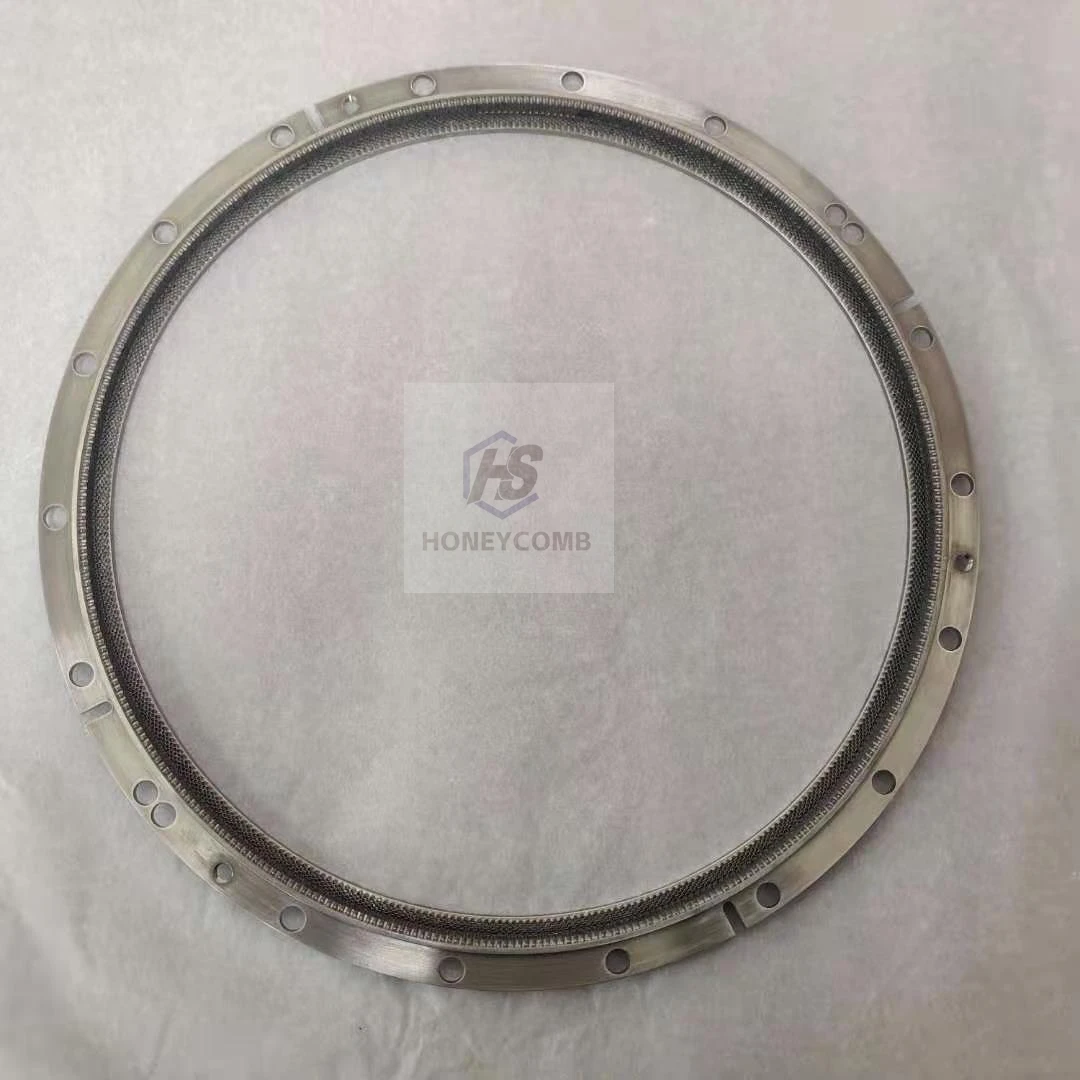
Industrially, these panels are often used as core materials sandwiched between metal or composite skins to create lightweight panels for floors, walls, or aircraft panels. But their relevance extends beyond aerospace: they are being incorporated into construction, automotive design, and even humanitarian shelters where lightweight but robust solutions are critical.
Mini-Takeaway
Think of stahlwaben as nature-inspired engineering—steel’s answer to the bee’s hexagonal marvel.
Core Components of Stahlwaben and Why They Matter
Durability
Steel is naturally corrosion-resistant when treated properly, and these honeycomb cores are no exception. Their internal geometry supports heavy loads, resisting deformation. This makes them ideal for applications where maintenance is tricky or repairs costly — like aircraft flooring or remote-site installations.
Weight Efficiency
This is the headline benefit. By replacing solid steel with a honeycombed core, manufacturers reduce weight by up to 70% while maintaining strength. That means less fuel consumption in transport or easier assembly on-site. Lightweight equals more efficiency and less environmental footprint.
Scalability and Customization
One neat thing about stahlwaben is how easily their dimensions and cell sizes can be tailored. Want denser cells for higher strength? Go for smaller hexagons. Need thicker panels for insulation? Adjust the cell height. This flexibility means that nearly any industry can tailor the material to exact needs without reinventing the wheel.
Cost Efficiency
While initial fabrication can be more sophisticated than plain steel plates, the lifecycle cost benefits dominate. Less weight = fewer transportation costs, lower installation times, and longer service lives. A win-win for most budgets.
Thermal and Acoustic Performance
Curiously, these panels also offer decent insulation qualities, which is why they’re popping up in eco-building and military shelters. Their internal air pockets act as sound and heat barriers, reducing need for extra layers.
Mini-Takeaway
Durability, ultra-lightweight, and customization make stahlwaben a kind of Swiss army knife for today’s industries—powerful yet adaptable.
Real-World Applications of Stahlwaben: From Industry to Humanitarian Aid
Anyone involved in manufacturing, construction, or emergency relief likely encounters the benefits of stahlwaben. For example:
- Aerospace: Airlines use these honeycomb cores for bulkheads and floor panels to reduce weight and save fuel.
- Automotive Industry: Manufacturers embed honeycomb panels in car doors and hoods to improve crash resistance without heavyweight penalties.
- Construction: Lightweight panels based on stahlwaben form strong but portable walls or roofing elements, cutting installation times drastically.
- Disaster Relief: NGOs use stahlwaben modules to erect shelters that are light enough to fly in cargo planes and tough enough to withstand harsh environments.
- Renewable Energy: Solar panel frames built with stahlwaben can withstand weather extremes without adding bulk.
Regions like Southeast Asia and parts of Africa increasingly depend on these materials for post-disaster rebuilding, where rapid deployment and durability are paramount. A memorable case: after the 2010 Haiti earthquake, temporary housing solutions incorporating steel honeycomb panels minimized logistical headaches while offering improved resilience.
Mini-Takeaway
Stahlwaben’s versatility is more than industrial—it touches humanitarian outcomes and sustainability goals worldwide.
Advantages & Long-Term Value of Stahlwaben
Putting it plainly, companies and organizations adopting stahlwaben panels report major wins:
- Lower Lifetime Costs: Reduced maintenance and transport expenses over decades.
- Environmental Impact: Less raw material and energy usage means a smaller carbon footprint.
- Safety & Reliability: Sturdy construction materials that provide peace of mind, literally saving lives in emergency shelters.
- Design Freedom: Their flexibility allows for innovative architectural or manufactured solutions.
Plus, there’s that intangible but important sense of confidence stakeholders have when knowing the materials used are cutting-edge yet time-tested.
Future Trends & Innovations in Stahlwaben Technologies
As the world leans hard into sustainability and digital disruption, stahlwaben are evolving:
- Green Steel: New eco-friendly production methods promise even lower embodied carbon footprints.
- Hybrid Materials: Combining steel honeycombs with composites—carbon fiber or aluminum—for tailored performance.
- Smart Manufacturing: Automation and 3D printing techniques are making custom honeycomb panels faster and cheaper to produce.
- Policy Alignment: Global regulations push industries to adopt lightweight, recyclable materials, favoring stahlwaben solutions.
Oddly enough, while the concept leverages ancient natural designs, its future lies in high-tech innovations supporting both industry and climate goals.
Challenges and Solutions in Utilization of Stahlwaben
No material is perfect, right? Some issues include:
- Fabrication Complexity: Requires precise welding and quality control to avoid defects.
- Corrosion Concerns: Though steel can resist rust, harsh environments still demand special coatings.
- Cost of Customization: Tailored panels may increase upfront expenses.
To navigate these, experts recommend:
- Investing in automated fabrication to reduce human error.
- Employing advanced corrosion-resistant treatments aligned with ISO standards.
- Partnering with suppliers who offer end-to-end customization within budget.
Product Specification Table: Typical Stahlwaben Panel
| Specification | Value | Unit |
|---|---|---|
| Material | Stainless steel AISI 304 / 316 | |
| Cell size (hexagon width) | 6 - 25 | mm |
| Panel thickness | 10 - 100 | mm |
| Density | 1.2 - 2.3 | kg/m³ |
| Compressive strength | 3,000 - 10,000 | kPa |
Vendor Comparison Table: Leading Stahlwaben Suppliers
| Supplier | Product Range | Customization | Lead Time | Regions Served | Sustainability Certifications |
|---|---|---|---|---|---|
| HoneyCombTech GmbH | Aerospace to construction | High | 4-6 weeks | Europe, USA | ISO 14001 / LEED |
| SteelCore Solutions | Automotive and industrial panels | Medium | 3-5 weeks | Asia-Pacific, Europe | ISO 9001 |
| EcoHoney Systems | Sustainable building panels | High | 5-7 weeks | Global | LEED / BREEAM |
Frequently Asked Questions About Stahlwaben
- What exactly makes stahlwaben panels lighter than solid steel?
- Because of their honeycomb geometry, stahlwaben use a network of thin steel sheets arranged in hexagonal cells. This structure supports loads efficiently without the bulk of solid steel, reducing weight by as much as 70% while maintaining strength.
- How durable are these steel honeycomb panels in harsh, outdoor environments?
- With proper stainless steel grades and corrosion-resistant coatings, stahlwaben can endure extreme weather, salty marine air, and chemical exposure for decades, making them suitable for aerospace, construction, and relief operations worldwide.
- Can stahlwaben panels be customized for specific project needs?
- Absolutely. Varying the cell size, panel thickness, and steel grades allows manufacturers to tailor panels for distinct strength, weight, and insulation requirements, matching diverse industries from automotive to architecture.
- Are stahlwaben-based shelters a good choice for disaster relief?
- Yes. They combine rapid deployment, sturdy protection, and lightweight transportability, enabling NGOs to fly in durable housing quickly. These shelters also provide decent insulation and safety compared to conventional tents.
- Where can organizations source high-quality stahlwaben products internationally?
- Leading suppliers such as HoneyCombTech GmbH or EcoHoney Systems have global reach with ISO-certified production. Partnering with reputable vendors ensures reliable quality and streamlined logistics for international projects.
Conclusion
Ultimately, stahlwaben are more than just steel honeycomb panels; they are emblematic of how intelligent design inspired by nature can solve real-world challenges. From slashing material waste and transport costs to providing resilient solutions vital for life-saving shelters, these structures represent a quietly profound innovation. Whether you’re in manufacturing, construction, or humanitarian aid, understanding and leveraging stahlwaben unlocks long-term value that’s both economic and ecological.
Want to explore these incredible materials further? Visit our website: stahlwaben for detailed product guides, latest innovations, and expert insights to power your next project.
References

-
How to Choose a Vented Aluminum Honeycomb for a 120 × 120 mm FanNewsNov.10,2026
-
High Performance EMI Honeycomb Vent for Sale: Buyer FAQsNewsNov.03,2026
-
Comparing Customized Hexagonal 316 Stainless Steel Honeycomb Core For Sewage Treatment Options: Specifications, Materials and Supplier DocumentationNewsOct.28,2026
-
High Precision Metal Honeycomb Seals buy turbine core datasheetNewsJul.01,2026
-
High Performance Military Grade Metal Honeycomb Core for SaleNewsJun.29,2026
-
Find High Performance Brazed Best Honeycomb Strips for Sale NowNewsJun.27,2026
-
High Performance Industrial Honeycomb Shield for Sale for EMI ProtectionNewsJun.26,2026






 English
 Afrikaans
 Albanian
 Amharic
 Arabic
 Armenian
 Azerbaijani
 Basque
 Belarusian
 Bengali
 Bosnian
 Bulgarian
 Catalan
 Cebuano
 China
 China (Taiwan)
 Corsican
 Croatian
 Czech
 Danish
 Dutch
 Esperanto
 Estonian
 Finnish
 French
 Frisian
 Galician
 Georgian
 German
 Greek
 Gujarati
 Haitian Creole
 Hausa
 Hawaiian
 Hebrew
 Hindi
 Miao
 Indonesian
 Italian
 Japanese
 Javanese
 Malay
 Persian
 Portuguese
 Punjabi
 Russian
 Spanish
 Swahili
 Telugu
 Vietnamese