


Honeycomb Waveguide Technology – Lightweight, Durable, and Cutting-Edge Solutions
What Is Honeycomb Waveguide and Why Should We Care?
Imagine a structure so lightweight yet incredibly strong that it can guide electromagnetic waves with precision, efficiency, and a touch of engineering magic. That’s essentially what a honeycomb waveguide is all about. Though it sounds like something out of sci-fi, honeycomb waveguides are real, practical, and quietly transforming industries worldwide — from satellite communications to sustainable energy grids. Understanding this technology reveals a neat way we balance strength, performance, and sustainability in modern engineering. Plus, as the world leans into digital transformation and greener solutions, these waveguides might be more relevant than ever.
Setting the Stage: Why Honeycomb Waveguide Matters Globally
The global telecommunications market alone is expected to exceed $1.5 trillion by 2025, with a significant chunk dedicated to advances in wave-processing technologies. Honeycomb waveguides play a subtle but pivotal role here by enabling lighter, more robust antenna systems and radar components—stuff that's vital in space exploration, 5G infrastructure, and even humanitarian satellite networks. According to ISO standards and industry trends, the demand for high-performance yet sustainable materials is growing, especially in harsh environments where traditional waveguides can fail or become unwieldy.
Yet, the industry often faces a challenge: How do we combine structural integrity with minimal weight and environmental impact? This is where the honeycomb waveguide shines, providing a clever solution to an old engineering puzzle.
Defining Honeycomb Waveguide – Simply Put
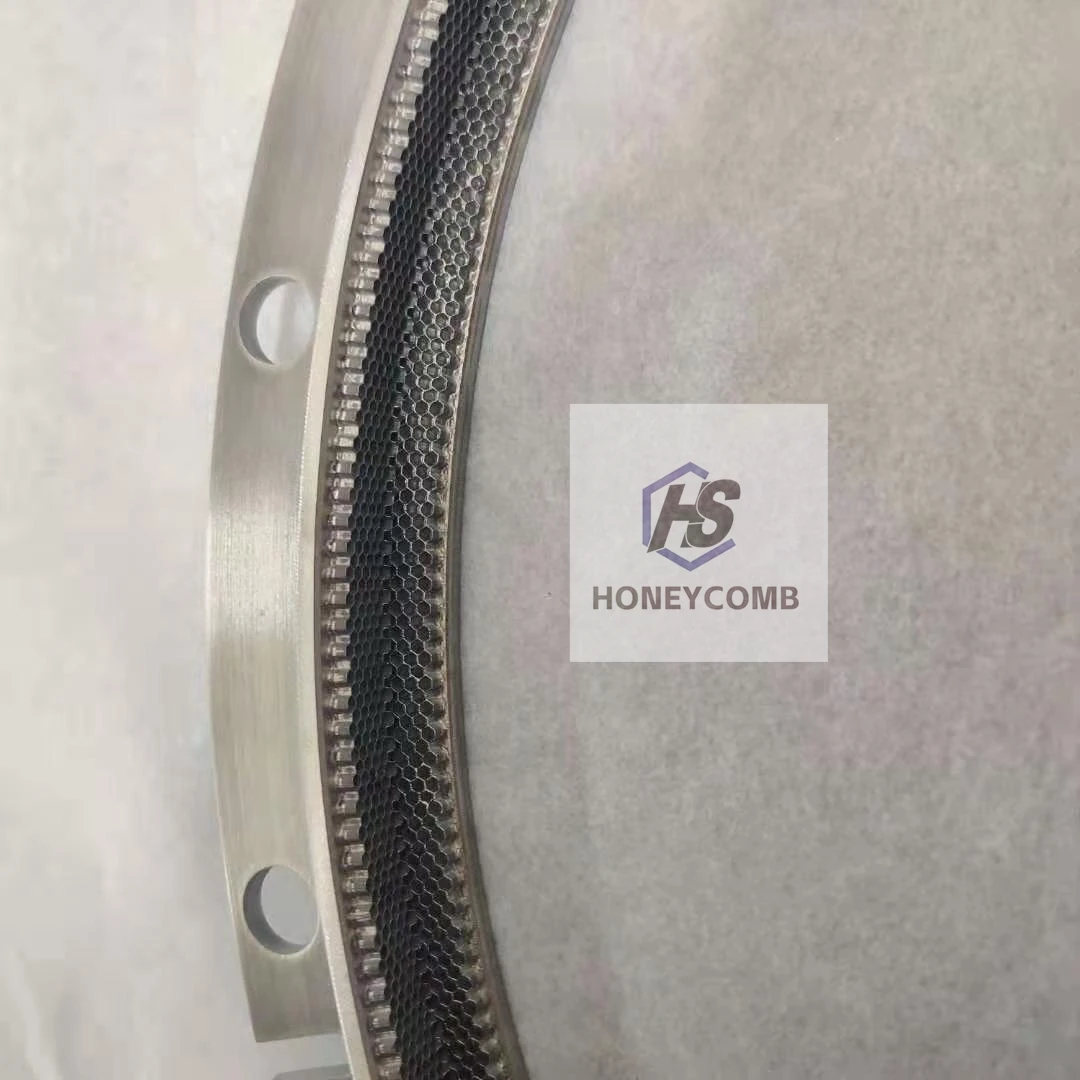
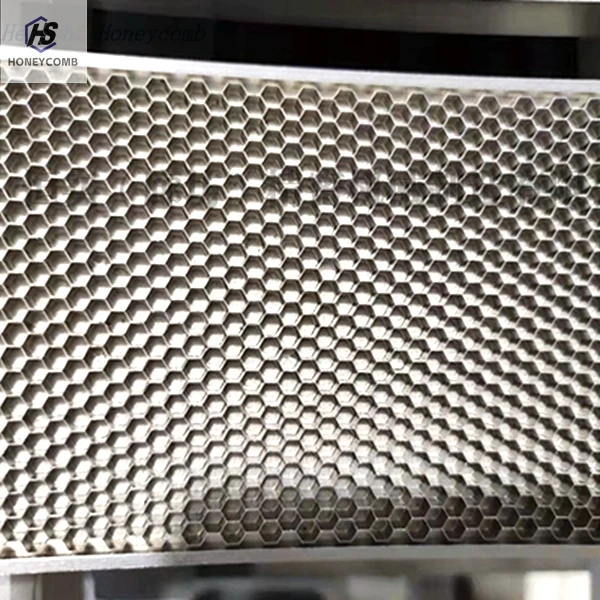
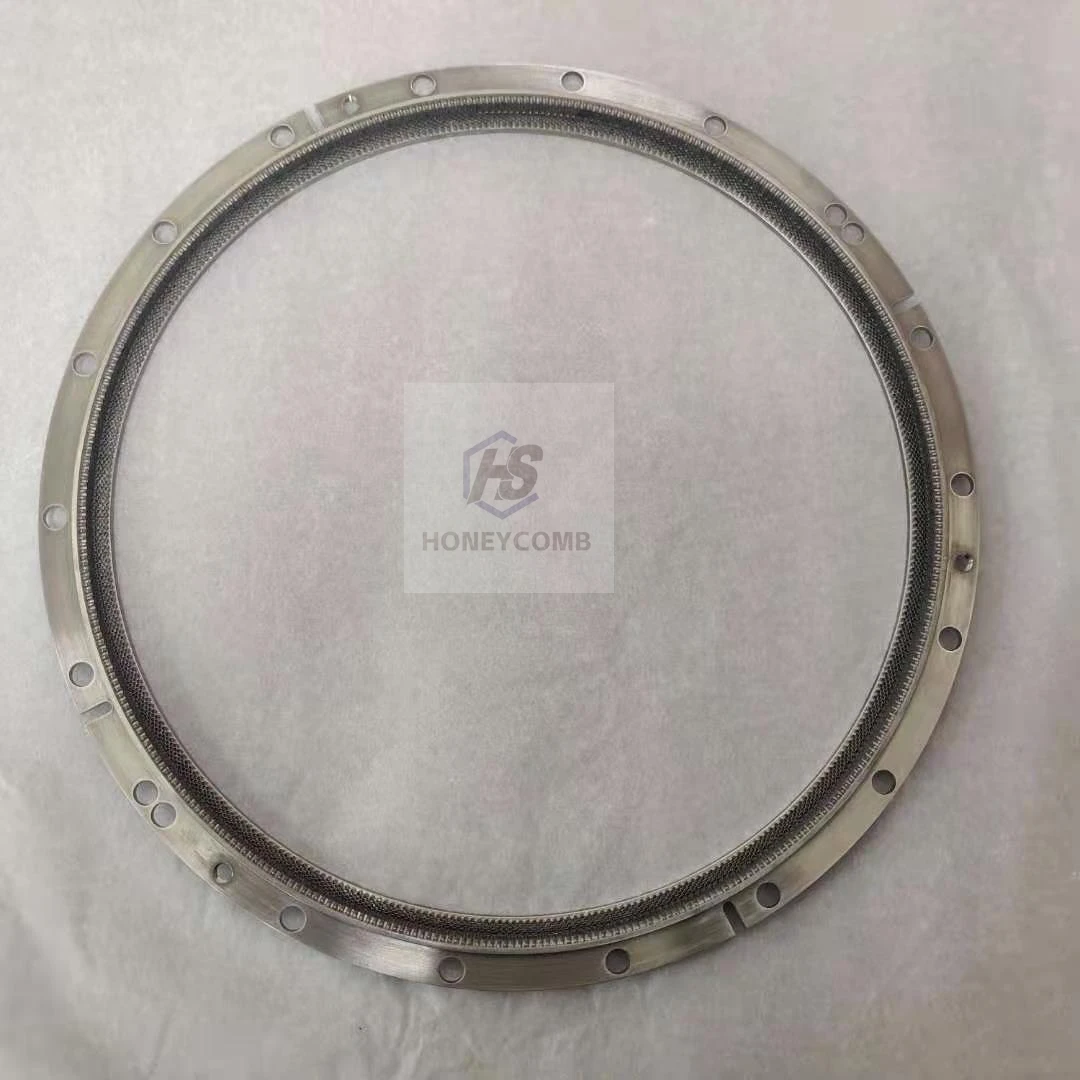
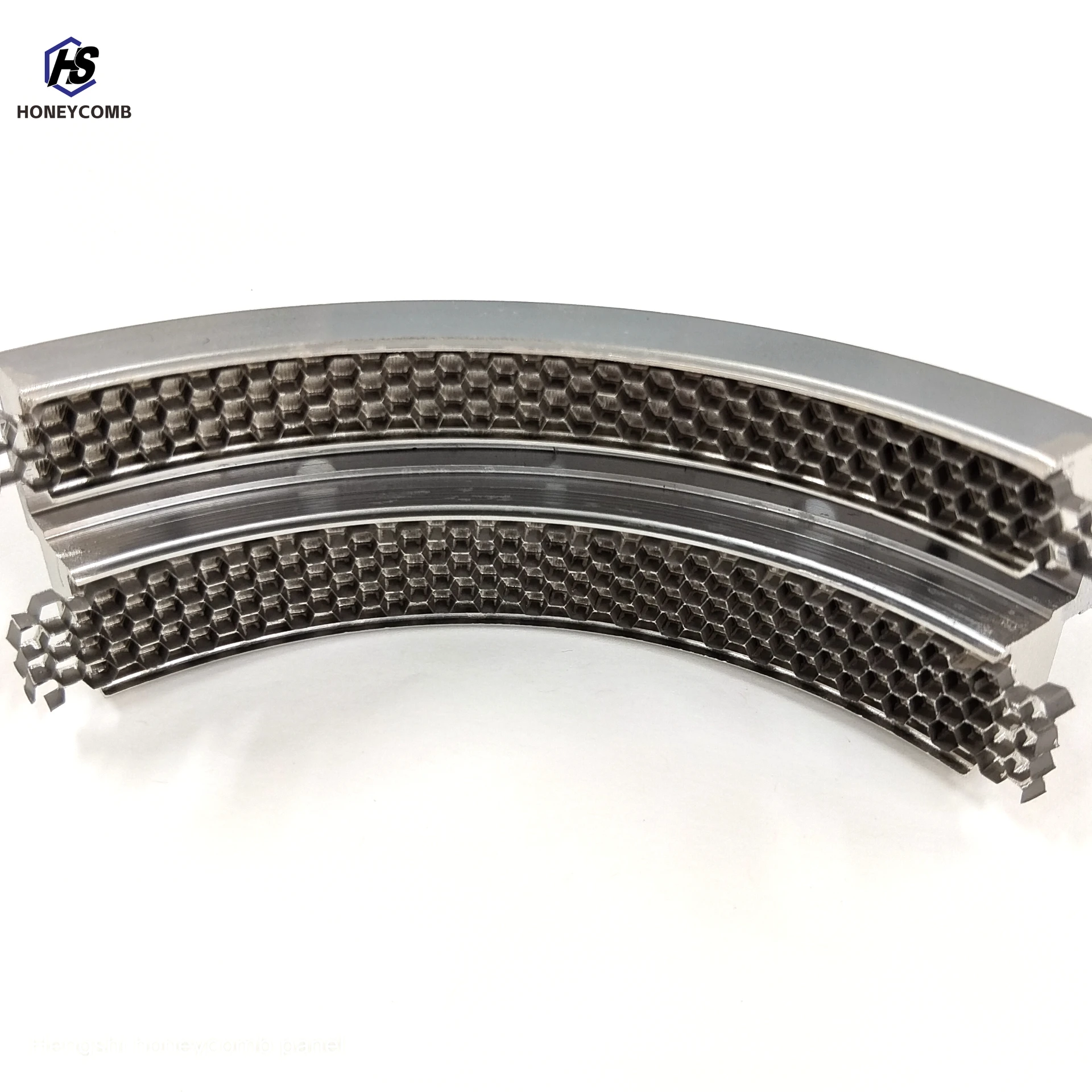
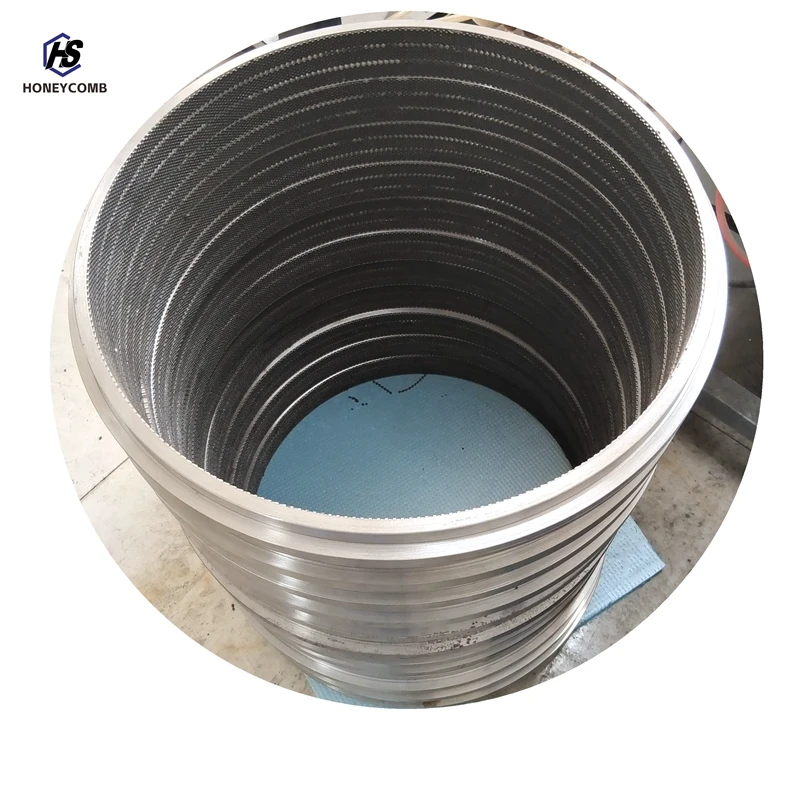
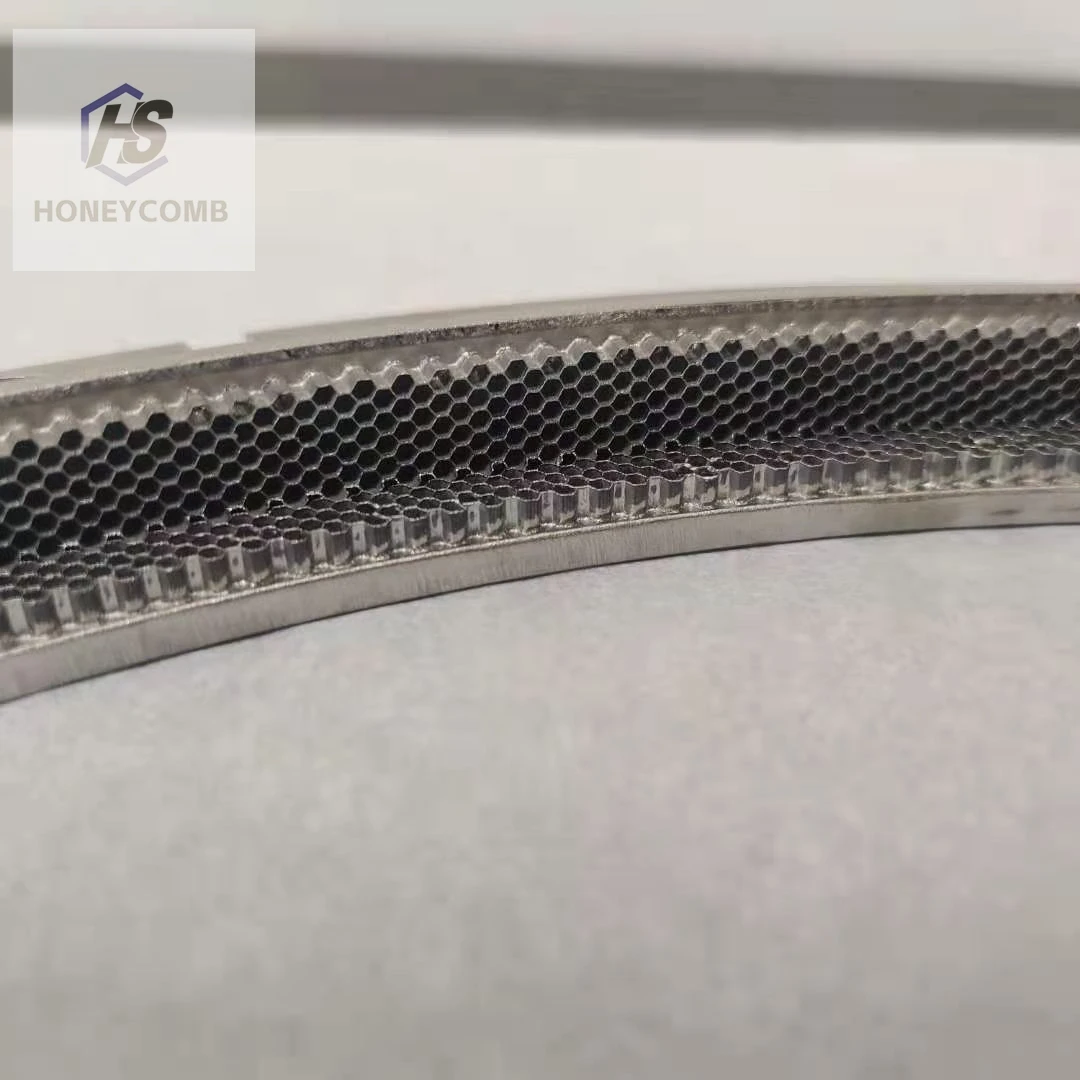
At its core, a honeycomb waveguide is a type of electromagnetic waveguide that uses a honeycomb-patterned structure inside its cross-section to guide microwave or millimeter-wave signals. Picture the hexagonal cells of a beehive—these geometric patterns not only reduce weight dramatically but also improve mechanical strength and thermal stability.
Typically fabricated from lightweight metals or composites, these waveguides direct radio frequency (RF) signals with minimal loss, and their open-cell design allows for excellent airflow and heat dissipation.
What’s intriguing is how this design intersects with modern needs—be it aerospace, defense, or humanitarian communications—in places where size, weight, and durability are paramount. The honeycomb structure isn’t just decorative—it’s a tactical choice that makes a real difference.
Key Factors Making Honeycomb Waveguides So Effective
1. Durability Against Environmental Stress
One of the biggest attractions of honeycomb waveguides is their ability to remain resilient across extreme temperatures, vibrations, and physical stresses. Thanks to their geometry, they withstand shocks better than many solid counterparts, a critical factor for aerospace and remote installations.
2. Lightweight for Mobility and Efficiency
Lower weight equals less structural load and easier integration. This is crucial for satellite payloads or mobile communication units. Swapping heavy traditional waveguides for honeycomb variants saves fuel, cost, and installation headaches.
3. Cost Efficiency and Manufacturability
Manufacturing honeycomb waveguides often involves extrusion, stamping, or 3D forming methods which get optimized over the years, reducing waste and costs. The savings trickle downstream in logistics and deployment.
4. Thermal Management and Stability
The open-cell honeycomb structure allows airflow, enhancing cooling compared to solid waveguides. This feature prolongs working life and maintains signal integrity under continuous use.
5. Scalability and Customization
Engineers and designers appreciate that honeycomb waveguides can be customized into different sizes and shapes, suitable for various frequency bands or applications without massive performance trade-offs.
Mini Takeaway: The honeycomb waveguide isn't just a clever piece of engineering—it's a versatile solution bridging the gap between durability, lightweight design, and adaptability across diverse fields.
How Honeycomb Waveguides Are Applied Around the World
Oddly enough, honeycomb waveguides have found niches you wouldn’t immediately expect. For instance, in post-disaster relief operations, portable communication arrays fitted with honeycomb waveguides have helped restore critical links quickly and reliably. Organizations like the UN have leaned on this tech to maintain satellite uplinks where infrastructure is damaged.
In remote industrial zones—think oil rigs or mining facilities—the ability to install rugged, lightweight waveguides leads to more robust sensor networks and monitoring stations. Aerospace is another big player. Satellites and unmanned aerial vehicles (UAVs) use honeycomb waveguides to keep equipment light but reliable, where every gram counts.
Don’t forget the telecom giants deploying base stations globally—they prize these waveguides for reducing energy and maintenance costs over long lifetimes.
A Handy Overview: Honeycomb Waveguide Product Specs
| Specification | Typical Value | Comments |
|---|---|---|
| Material | Aluminum Alloy (6061-T6) | Lightweight, corrosion-resistant |
| Cell Size (hexagonal) | 5 mm – 10 mm across flats | Optimized by frequency band |
| Operating Frequency | 1 GHz – 40 GHz | Covers microwave to mmWave bands |
| Weight Reduction vs. Solid Waveguide | Up to 50% | Significant fuel and cost savings in aerospace |
| Temperature Range | -54°C to +125°C | Suitable for harsh environments |
Comparing Top Vendors: What’s Out There?
| Vendor | Material Options | Customization | Lead Time | Global Reach |
|---|---|---|---|---|
| HexaWave Inc. | Aluminum, CFRP | Full custom design, rapid prototypes | 4-6 weeks | North America, Europe, Asia |
| AeroWave Solutions | Titanium, Aluminum | Standard portfolio + custom fittings | 6-8 weeks | Global |
| EcoWave Tech | Recycled composites | Emphasis on sustainability-focused designs | 8-12 weeks | Europe, Australia |
Advantages & Long-Term Value: Why Honeycomb Waveguides Are Winning
- Cost Savings: Reduced materials and simpler transport lower lifetime expenses.
- Sustainability: Less raw material usage and potential for recycled components.
- Reliability: Better thermal and mechanical stability equals fewer failures.
- Social Impact: Supporting emergency communications and remote connectivity.
- Innovation Potential: Enables new antenna designs and aerospace payloads.
Honestly, for engineers juggling tight specs, tight budgets, and tight deadlines, honeycomb waveguides feel like a breath of fresh air. You get to tap into a tech that’s proved its worth in tough environments and won’t let you down — which builds trust in the product and the people behind it.
Looking Ahead: Future Trends & Innovations
I see the next few years bringing greener, smarter honeycomb waveguides. For one, carbon-fiber reinforced polymers (CFRPs) are increasingly paired with conductive coatings to produce waveguides that weigh almost nothing yet perform like solid metal—great for satellites and drones.
On the software side, digital twins and simulation tools now allow rapid design tweaks, cutting prototyping time dramatically. And regulatory incentives push vendors to adopt recycled materials or energy-efficient manufacturing.
Finally, there’s rising interest in integrating honeycomb waveguide tech with solar or energy harvesting arrays—blending communication and power in one smart package. It’s exciting, if a bit complicated...
Challenges & How Industry Experts Tackle Them
No tech is perfect and honeycomb waveguides face their share of hurdles. For example, sensitivity to moisture ingress can affect long-term reliability if the cells aren’t sealed properly. Plus, fine-tuning manufacturing processes to avoid inconsistencies in cell size or shape remains tricky.
Industry players mitigate these by using proprietary coatings, high-precision tooling, and advancing quality control methods like X-ray scanning to ensure every honeycomb segment meets specs. Frankly, it’s a fascinating dance between costs and precision.
Honeycomb Waveguide FAQs
- Q1: What are the main benefits of honeycomb waveguides over traditional solid ones?
- A1: The key advantages include reduced weight (up to 50%), improved thermal management due to airflow between cells, and enhanced mechanical shock resistance. This leads to cost savings in transport and more reliable performance, especially in aerospace and telecom applications where every gram and watt matters.
- Q2: How customizable are honeycomb waveguides for different frequencies?
- A2: Very customizable. Cell size, material choice, and wall thickness can be adjusted during manufacturing to optimize wave propagation across a broad frequency range, from 1 GHz up through millimeter waves around 40 GHz.
- Q3: Are honeycomb waveguides suitable for harsh environmental conditions?
- A3: Yes. Their design inherently provides strong resistance to thermal cycling, vibration, and mechanical stresses. Special coatings add moisture resistance for outdoor or marine environments, making them robust choices.
- Q4: Can these waveguides be integrated with honeycomb waveguide antennas and other systems?
- A4: Absolutely. Their modular and customizable nature often makes them the preferred basis for antenna feeders, phased arrays, radar, and satellite uplinks, enabling designers to optimize system weight and performance.
- Q5: How do companies handle international shipping or deployment in remote areas?
- A5: Thanks to their lightweight form, shipping is more cost-effective. Many vendors provide packaging tailored for rough conditions, and modular design means components can be easily assembled onsite, even in difficult or disaster-hit areas.
Wrapping It Up: The Sweet Spot of Strength and Innovation
The honeycomb waveguide may not grab headlines like the latest smartphone, but its quiet efficiency, adaptability, and sustainability make it one of today’s standout engineering solutions. Whether you’re in telecom, aerospace, or emergency response, these structures turn complex challenges into manageable, elegant outcomes. If you’re intrigued — which I hope you are! — you can dive deeper by visiting honeycomb waveguide specialists who bring the tech to real-world life.
In a way, honeycomb waveguides remind us that sometimes, nature’s patterns — like a bee’s hive — hold secrets to better design, stronger performance, and a more sustainable future.
References

-
How to Choose a Vented Aluminum Honeycomb for a 120 × 120 mm FanNewsNov.10,2026
-
High Performance EMI Honeycomb Vent for Sale: Buyer FAQsNewsNov.03,2026
-
Comparing Customized Hexagonal 316 Stainless Steel Honeycomb Core For Sewage Treatment Options: Specifications, Materials and Supplier DocumentationNewsOct.28,2026
-
High Precision Metal Honeycomb Seals buy turbine core datasheetNewsJul.01,2026
-
High Performance Military Grade Metal Honeycomb Core for SaleNewsJun.29,2026
-
Find High Performance Brazed Best Honeycomb Strips for Sale NowNewsJun.27,2026
-
High Performance Industrial Honeycomb Shield for Sale for EMI ProtectionNewsJun.26,2026






 English
 Afrikaans
 Albanian
 Amharic
 Arabic
 Armenian
 Azerbaijani
 Basque
 Belarusian
 Bengali
 Bosnian
 Bulgarian
 Catalan
 Cebuano
 China
 China (Taiwan)
 Corsican
 Croatian
 Czech
 Danish
 Dutch
 Esperanto
 Estonian
 Finnish
 French
 Frisian
 Galician
 Georgian
 German
 Greek
 Gujarati
 Haitian Creole
 Hausa
 Hawaiian
 Hebrew
 Hindi
 Miao
 Indonesian
 Italian
 Japanese
 Javanese
 Malay
 Persian
 Portuguese
 Punjabi
 Russian
 Spanish
 Swahili
 Telugu
 Vietnamese