

High performance custom honeycomb core design refers to the precision engineering of hexagonal cellular structures designed to maximize strength-to-weight ratios while providing critical functional benefits such as electromagnetic interference (EMI) shielding and optimized airflow. These cores are essential in demanding sectors where structural integrity must coexist with lightweight requirements and environmental protection.
In modern aerospace and telecommunications, the challenge lies in maintaining system reliability without adding excessive mass. Traditional ventilation often compromises shielding effectiveness, leading to signal interference and system failure. Custom honeycomb cores solve this paradox by integrating a geometric lattice that blocks waves while allowing air to circulate, effectively protecting sensitive electronics from external electromagnetic noise.
This technical analysis explores the engineering principles behind high-performance honeycomb designs, their material specifications, and the critical selection criteria for procurement. Readers will gain a comprehensive understanding of how custom cell sizes and foil thicknesses impact overall system performance and how to choose the right configuration for specialized industrial applications.

1Foundations of Custom Honeycomb Engineering

The architecture of a high performance custom honeycomb core design is based on the hexagonal prism, a shape that naturally distributes loads evenly across the structure. By manipulating the cell size and wall thickness, engineers can tailor the core to be either extremely rigid for structural support or highly porous for ventilation and EMI shielding. This versatility makes it a staple in precision machinery manufacturing.
Precision in manufacturing is paramount; even minor deviations in cell uniformity can lead to "leaks" in electromagnetic shielding or uneven airflow distribution. Customization allows for the adjustment of these parameters to meet specific regulatory standards, such as those required for aerospace avionics or military-grade communication equipment.
Furthermore, the integration of various frame shapes—such as L-type, C-type, or H-type—ensures that the core can be seamlessly embedded into existing chassis designs without compromising the seal or adding unnecessary bulk to the assembly.
2Core Technical Characteristics and Materiality
Material selection is the cornerstone of honeycomb performance. Aluminum is frequently used due to its exceptional weight-to-strength ratio and natural conductivity. For more corrosive environments or higher temperature requirements, stainless steel grades such as 304, 316, or 321 are employed, providing superior oxidation resistance and structural durability.
The foil thickness, ranging from 0.04mm to 0.3mm, determines the mechanical strength and the shielding effectiveness. Thinner foils allow for more air passage and lower weight, while thicker foils provide the rigidity necessary for high-pressure environments or heavy-load structural panels.
Welding technology also plays a critical role. Spot welding and gluing are the primary methods for securing the honeycomb layers. Precision welding ensures that each cell remains intact, preventing the collapse of the structure under compression and maintaining a consistent honeycomb geometry throughout the panel.
3Industrial Application Scenarios
In telecommunications, custom honeycomb cores are utilized as EMI shielded vents in base stations and server racks. They allow critical cooling air to reach heat-generating components while blocking electromagnetic interference that could degrade signal quality or disrupt neighboring electronic systems.
Aerospace applications leverage these designs for wind tunnel modules and fuselage panels. The high stiffness-to-weight ratio is critical here, as every gram saved translates to improved fuel efficiency and payload capacity, while the honeycomb structure provides the necessary impact resistance.
Additionally, anechoic honeycomb panels are used in RF testing chambers to absorb radio waves and prevent reflections. By lining the interior of these chambers with sound-absorbing honeycomb structures, technicians can simulate open-space environments for accurate antenna testing.
4Quantifying Performance and Thermal Efficiency
The efficiency of a honeycomb core is measured by its ability to balance contradictory requirements: high airflow versus high attenuation. A well-designed core achieves a "cutoff frequency" that blocks harmful frequencies while allowing air to move with minimal pressure drop, ensuring electronics stay cool without sacrificing shielding.
Thermal dissipation is enhanced through the open-cell structure, which prevents the formation of heat pockets. By directing airflow linearly, the honeycomb design reduces turbulence, allowing for a more predictable and efficient cooling cycle across the internal surface area of the equipment.
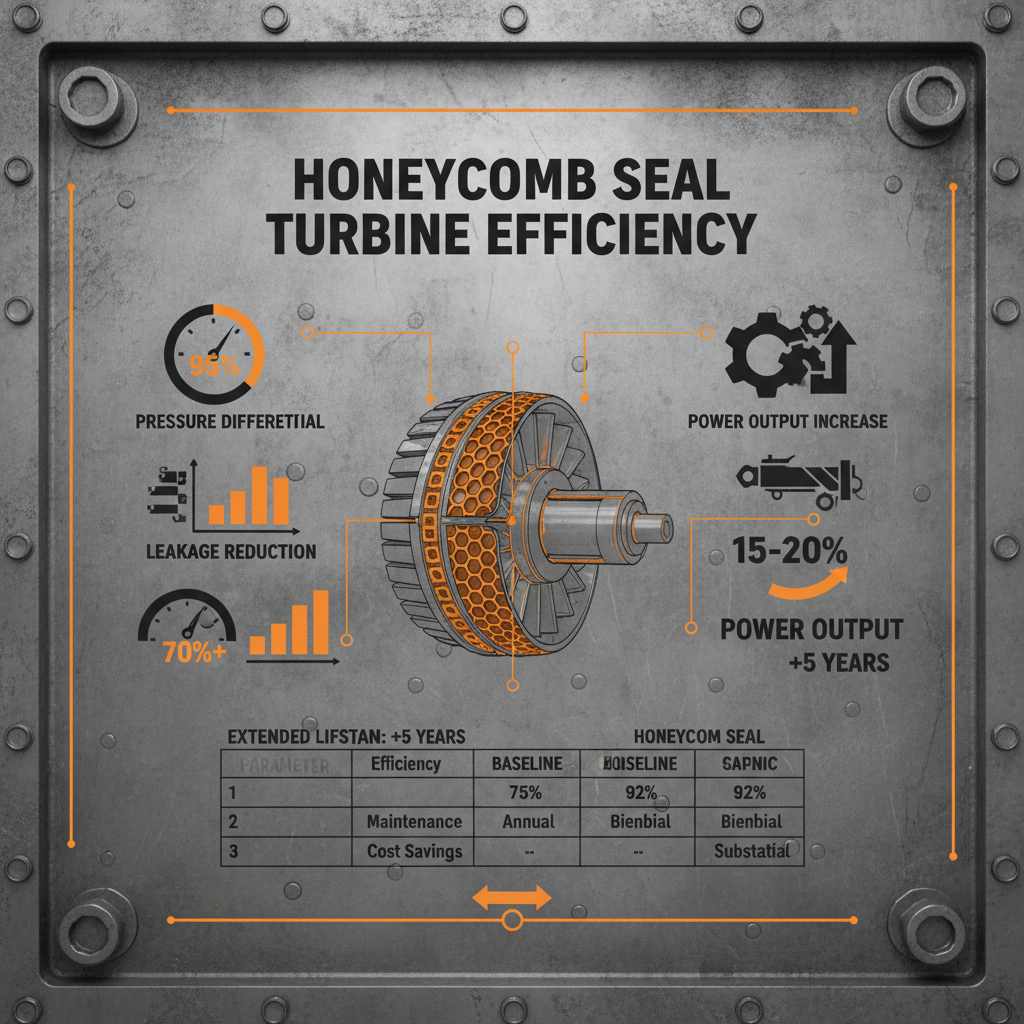
high performance custom honeycomb core design Performance Metrics
When analyzing these metrics, it becomes evident that custom designs outperform generic alternatives. By optimizing cell sizes (e.g., 1.6mm to 8mm) specifically for the target frequency range of the EMI interference, engineers can achieve superior attenuation with less material.
5Procurement and Customization Guidelines
Procuring high-performance honeycomb cores requires a detailed specification sheet to avoid compatibility issues. Key parameters include the material grade (e.g., Aluminum vs. Stainless Steel 316L), the exact cell size, and the required foil thickness. These variables directly impact the cost and the final performance of the system.
Surface treatment is another critical decision point. While white oxidation provides basic protection for aluminum, electroless nickel plating is recommended for applications requiring higher conductivity and superior corrosion resistance in salty or humid environments.
Finally, gasket customization should not be overlooked. Ensuring a tight seal between the honeycomb frame and the housing is essential to prevent EMI leakage, which can render even the most high-performance core ineffective.
6Future Trends in EMI Shielding Technology
The industry is moving toward "smart" honeycomb structures that can adapt to varying environmental conditions. Research into composite honeycomb materials—combining metals with advanced polymers—aims to further reduce weight while maintaining the rigid properties required for high-stress aerospace components.
Another trend is the miniaturization of cell sizes. As electronic components shrink, the need for more precise EMI shielding in smaller form factors increases, pushing the boundaries of stamping and welding equipment to produce cell sizes below 0.8mm with absolute consistency.
Sustainability is also becoming a priority. The shift toward recyclable aluminum alloys and more energy-efficient vacuum brazing processes reflects a broader industry goal to reduce the carbon footprint of precision metal manufacturing.
7Comparative Analysis of Honeycomb Core Options
Choosing the right core involves a trade-off between weight, strength, and shielding effectiveness. Aluminum cores are the standard for weight-sensitive projects, while stainless steel is the gold standard for durability and extreme environments.
The following table compares different core configurations to assist engineering teams in making an informed selection based on their specific operational constraints and performance goals.
| Material Type | Best Use Case | Main Strength | Primary Limitation |
|---|---|---|---|
| Aluminum (Oxidized) | General Electronics | Lightweight / Cost | Moderate Corrosion Resistance |
| Aluminum (Ni-Plated) | High-End Telecomm | Cond. / Corrosion Res. | Higher Cost than Oxidized |
| Stainless Steel 304 | Industrial Machinery | High Strength / Heat Res. | Heavier Mass |
| Stainless Steel 316L | Marine / Aerospace | Max Corrosion Resistance | Difficult to Machine |
| Carbon Steel | Heavy Structural | Maximum Rigidity | Poor Corrosion Resistance |
| Custom Composite | Specialized RF Labs | Frequency Tuning | Complex Manufacturing |
Ultimately, the decision should be driven by the specific EMI frequency range the system must block and the mechanical load the panel will endure. For a balance of all factors, the customized aluminum core with nickel plating remains the most versatile choice for high-performance applications.
Frequently Asked Questions
Conclusion
The implementation of a high performance custom honeycomb core design is a critical decision for any system requiring a balance of EMI shielding, lightweight construction, and thermal management. By carefully selecting materials, optimizing cell geometry, and ensuring precision manufacturing, engineers can significantly enhance the reliability and longevity of sensitive electronic equipment across the aerospace and telecommunications sectors.
For procurement teams and designers evaluating suitable shielding and ventilation solutions, reviewing detailed technical specifications and material compatibility is the first step toward system optimization. Further information on custom honeycomb configurations and available materials can be found at www.hengshihoneycomb.com.